Buying a house means taking responsibility for the electrical installation behind its walls. An inspection helps establish whether that installation is safe to continue using, what needs attention and what work you may need to budget for. Arranging it before committing to the purchase gives you evidence to discuss with the seller, your electrician and your conveyancer.
What your house survey can leave unanswered
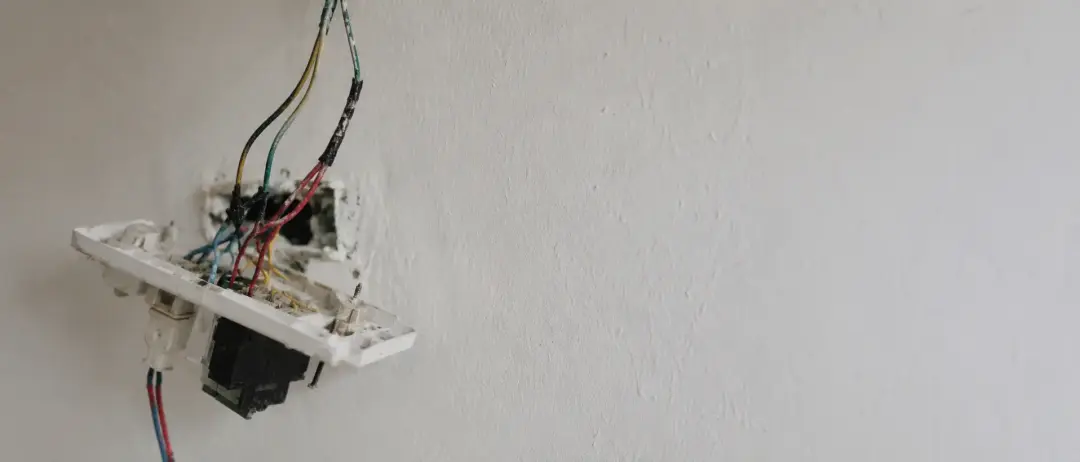
A property can look freshly renovated while retaining much older wiring. New sockets, downlights or a modern consumer unit do not establish the condition of every circuit. Equally, an older-looking installation is not automatically unsafe. The useful question is what an appropriately scoped inspection and testing actually finds.
A building survey and an electrical inspection serve different purposes. RICS states that its Level 1 survey involves no testing of services. Check your surveyor's agreed scope rather than assuming electrical tests are included. A request for specialist investigation is an unresolved question, rather than proof that the property needs rewiring. Source: RICS inspection scope.
Ask for records before booking the visit
Request the latest Electrical Installation Condition Report, usually called an EICR, together with certificates for later electrical work. Dates matter, but so does coverage: a certificate for one new circuit does not describe the entire house. Ask whether extensions or outbuildings were altered after the last report.
Read the address, overall assessment, limitations, observations and next inspection date. If remedial work was required, request evidence that it was completed. An invoice and an electrical certificate serve different purposes. Missing paperwork does not establish that work was unsafe, but it leaves something to investigate. Sending available records to the inspector beforehand helps identify gaps and plan the visit.
Why appearances are unreliable evidence
In research published on 26 May 2026, NICEIC reported that 69% of the 2,000 UK homeowners surveyed did not know what an EICR was. This measures awareness, not the proportion of homes with dangerous wiring. It helps explain why a seller may have little information about their installation despite living there for years. Source: NICEIC's 2026 homeowner research.
Treat a reassuring conversation as a starting point. Ask when work was done and who completed it. A refurbished kitchen may be recent while upstairs circuits are considerably older. Explain which parts of the property you expect to use, including garages, garden offices and other detached buildings, so these are considered when agreeing the inspection.
Agree the scope and access arrangements
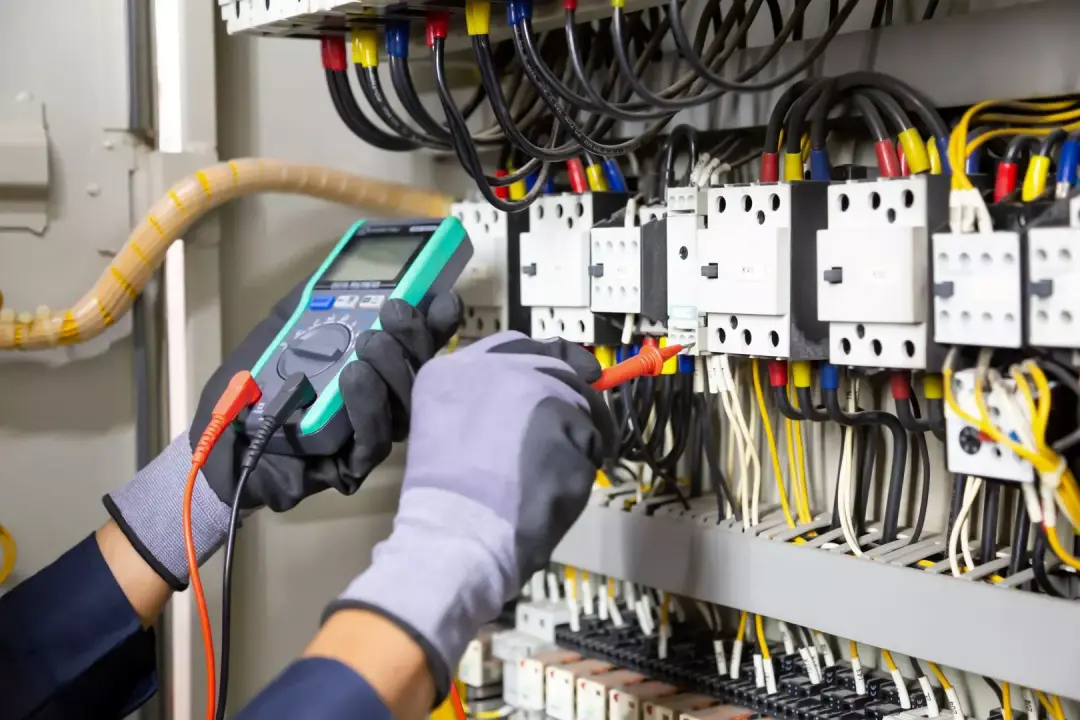
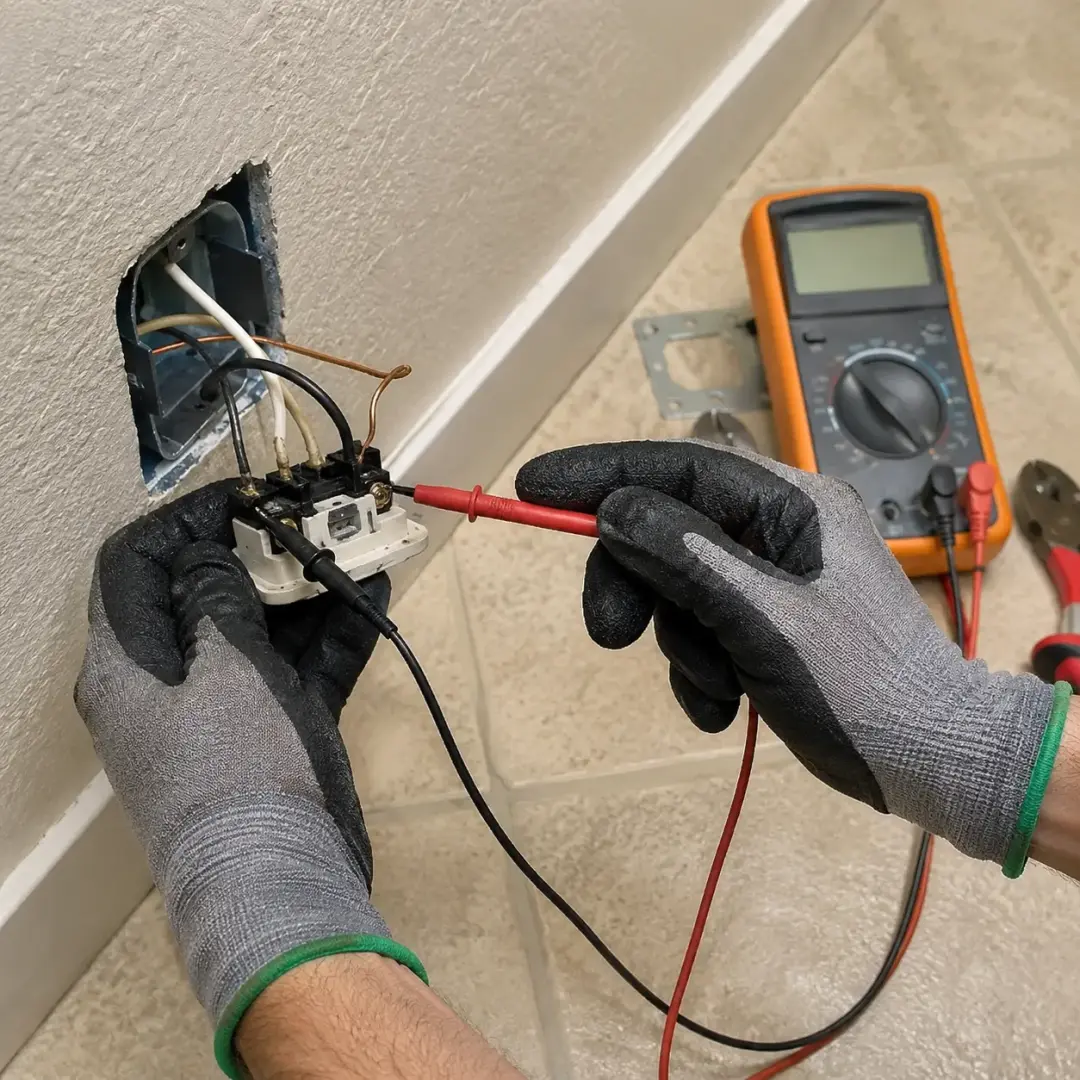
An EICR combines inspection with electrical tests and records the installation's condition. It can identify deterioration and defects that are not obvious during a viewing. It does not guarantee that every concealed connection has been exposed or that no fault can develop later. The agreed extent and access restrictions therefore matter. Source: NICEIC's EICR guide.
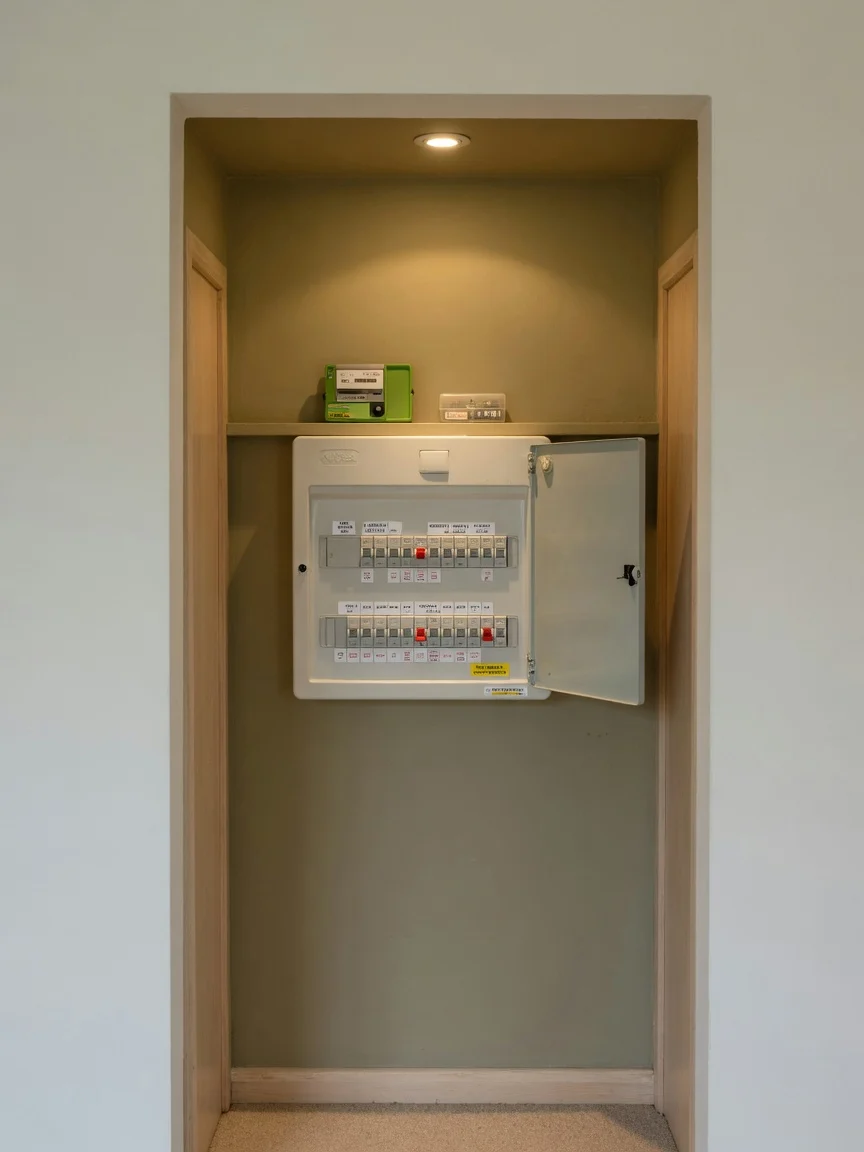
Arrange the visit through the seller or agent and allow for power interruptions. Discuss access to the consumer unit, sockets and relevant outbuildings. Ask the inspector to explain material limitations. If an important circuit cannot be assessed, establish what additional investigation would be needed. A restricted report should not be treated as an unrestricted assessment of the whole installation.
Use the findings to build a realistic budget
Ask for an explanation separating immediate concerns, necessary repairs and optional improvements. These affect your decision differently. Replacing one damaged accessory is a different project from renewing several circuits. Neither should be priced as an undefined allowance for bringing everything up to date.
Obtain an itemised quotation covering the identified work, access, testing, certification and any making good. If you intend to renovate, discuss which electrical work belongs before plastering or fitted furniture. Take the findings to your conveyancer where they affect negotiations. A price reduction is not automatic: the electrician supplies technical evidence, while you and your advisers decide how it affects the transaction.
Make a plan for moving day and beyond
Agree how urgent defects will be addressed and who will organise the work. If the seller commissions repairs, request completion documents that cover the observations concerned. A promise that an electrician visited is less useful than a record of what was corrected.
Tell the inspector about your intended use of the house. An electric shower, home office or future EV charger may need separate design work beyond the existing installation's condition assessment. Distinguish repairs associated with the purchase from later improvements. If further investigation is recommended, obtain it rather than treating an unknown cost as a confirmed full rewire. The aim is a proportionate plan based on findings, not assumptions.
Buyer’s checklist
- Request the latest report and certificates for subsequent work.
- Confirm the inspection's extent and access requirements.
- Allow time for questions before exchange of contracts.
- Obtain a separate quotation for identified repairs.
- Keep completion records with the house documents.
Summary
An electrical inspection gives a house purchase a stronger factual foundation. It helps you understand the installation, investigate missing information and budget for identified work before new finishes hide the wiring again. If you are buying in Tonbridge, use a properly scoped assessment to turn uncertainty into clear priorities and questions for the people handling your purchase.