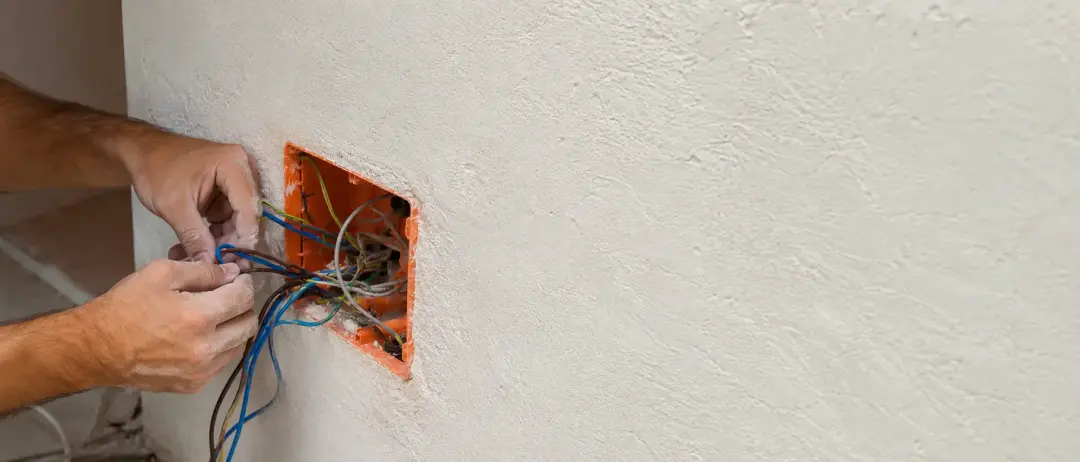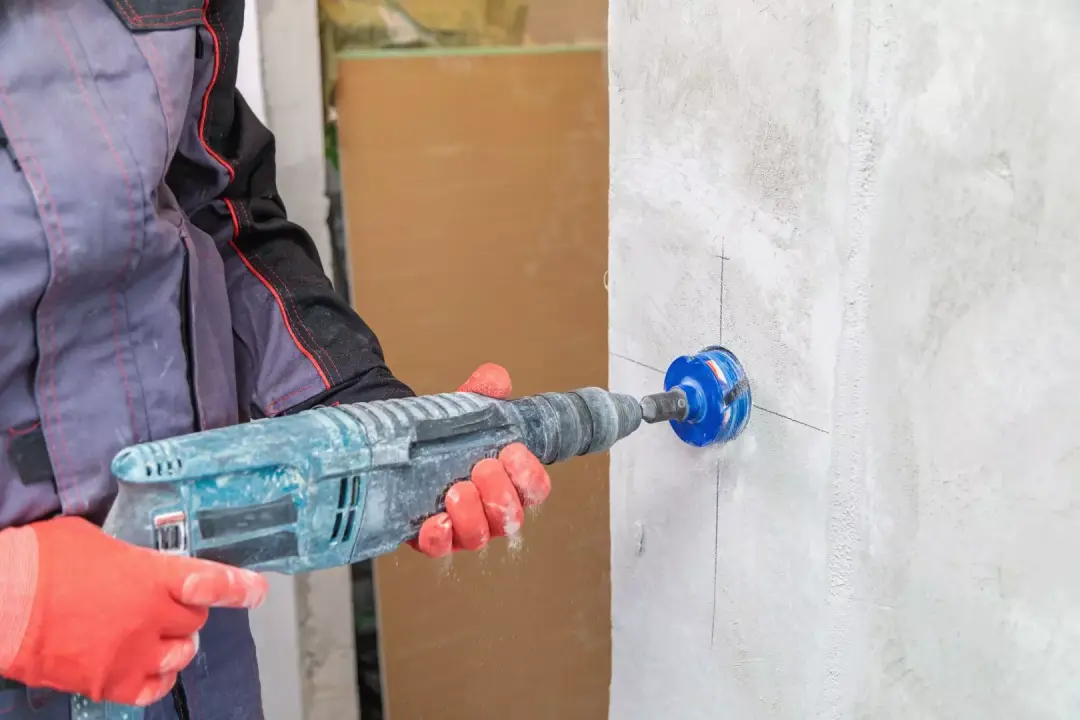
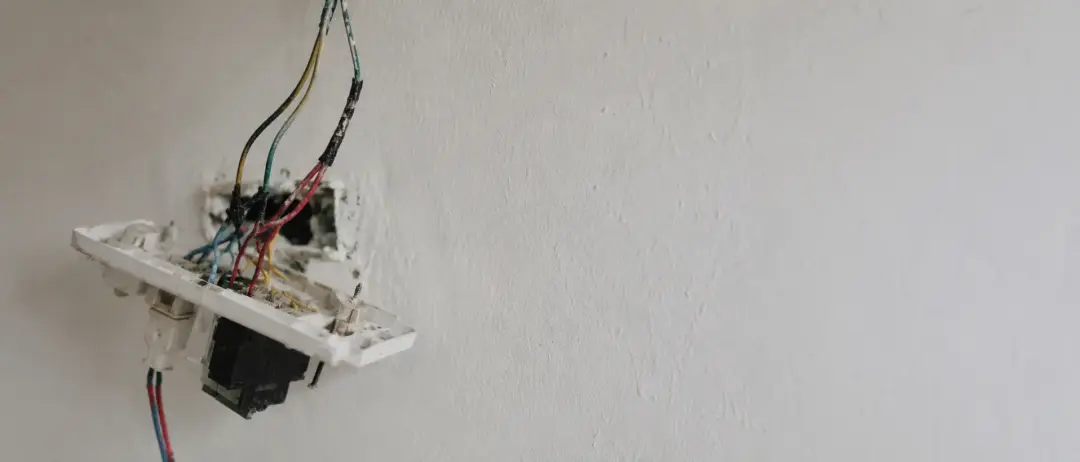
Repeated tripping, heat damage, crackling fittings and deteriorating cable insulation are reasons to have your home’s electrics assessed. They can indicate a local defect or a wider wiring problem. A professional inspection and relevant tests establish the difference; the age of the house or the appearance of a fuse box alone cannot prove that a full rewire is necessary.
Electrical rewiring in Tonbridge: notice the pattern
A single faulty lamp and a problem affecting several circuits call for different lines of investigation. Record what you observe without opening fittings: the room, the time, which equipment was operating and whether the issue has happened before. Photographs of visible damage can help explain the concern when arranging a visit, provided you can take them without approaching a hazard.
In research published by the IET in April 2026, 5.9% of respondents admitted ignoring warning signs such as burning smells, buzzing or flickering lights. This describes reported behaviour, not the proportion of homes needing rewiring. The useful lesson is to act on developing symptoms rather than dismiss them because the installation still operates. Read the IET’s 2026 findings.
Scorch marks and unusual heat need attention
Discolouration, melted plastic or a persistent burning smell around a socket or switch should be assessed promptly. Stop using the affected item and seek professional advice. Do not keep trying another plug in a damaged socket or assume that replacing its front plate will remove the underlying cause. A loose connection, overload or defective appliance can require different remedies.
If there is smoke or fire, leave the building and call 999. Otherwise, describe the affected fitting and symptoms when contacting the electrician so the response can be prioritised. Ask what should remain unused until attendance. The decision to rewire comes after the source and extent of the damage are understood; the immediate priority is preventing further exposure to an electrical or fire risk.
Repeated tripping deserves diagnosis
Circuit breakers and residual current protection are intended to interrupt unsafe conditions. Frequent operation can indicate a faulty appliance, damaged cable, moisture or another circuit issue. It is not a reason to fit a larger protective device or keep resetting the switch until it stays on. Such changes can defeat the protection the installation needs.
Note whether the problem follows one appliance or persists when ordinary equipment is disconnected in the normal way. Leave testing and access to live parts to a competent electrician. Electrical fault finding can establish whether the concern is confined to one item, one circuit or several parts of the installation. That evidence is more useful than choosing a full rewire before anyone has investigated the fault.
Practical next steps
- Persistent heat, burning smells and damage require prompt assessment.
- Repeated tripping needs diagnosis rather than repeated resetting.
- Ask which inspection findings justify the proposed rewiring scope.
Old cable materials and alterations need scrutiny
Electrical Safety First notes that black rubber cable insulation was phased out in the 1960s, while lead- and fabric-covered systems are older still. Their presence warrants professional assessment. Do not bend or strip suspect cable to inspect it: aged material can be fragile, and a cable’s function or condition cannot safely be established from its colour alone. See the guidance on older installations.
A house can contain several generations of work. A recently installed consumer unit does not establish that the hidden wiring was replaced at the same time. Equally, an older consumer unit does not prove every circuit is defective. Missing certificates and undocumented extensions increase uncertainty and make a properly scoped assessment particularly useful.
Too few sockets can reveal a planning problem
Extension leads across doorways and adaptors behind every appliance often show that socket positions no longer suit the household. They do not automatically prove the fixed wiring has failed. The electrician can assess whether additional outlets or a new circuit can meet the requirement, or whether the existing system needs more substantial replacement.
Make a room-by-room list of how you use the home: desk equipment, kitchen appliances, heating and any planned vehicle charging. Keep actual demand separate from the number of sockets you would like. Several low-power chargers and one high-power appliance have different design implications. A useful proposal explains how the installation will support your use, rather than treating a larger accessory count as a substitute for proper circuit design.
Decide between a repair, partial rewire and full rewire
An isolated fault may need a repair and testing; a damaged or unsuitable circuit may need replacement. Widespread deterioration, unsafe alterations or a major change to the home can justify a fuller project. Ask the contractor to connect the recommended scope to inspection findings and test results, particularly where a substantial rewire is proposed.
Avoid a fixed-age rule that treats every installation as expired on its thirtieth birthday. Materials, workmanship, environment and subsequent changes all matter. If you are already planning building work, compare the disruption of separate repairs with a coordinated upgrade. Our domestic electrical services can be considered alongside that plan. Keep the decision evidence based: what is defective, what needs replacing and what is simply an improvement you would like.
Summary
Electrical warning signs deserve attention, but they do not all point to the same solution. An assessment can separate a defective accessory from deterioration across several circuits. If your home shows recurring problems or you are planning a substantial upgrade, ask Tonbridge Electrical Testing about a rewiring assessment and a scope based on the installation’s actual condition.