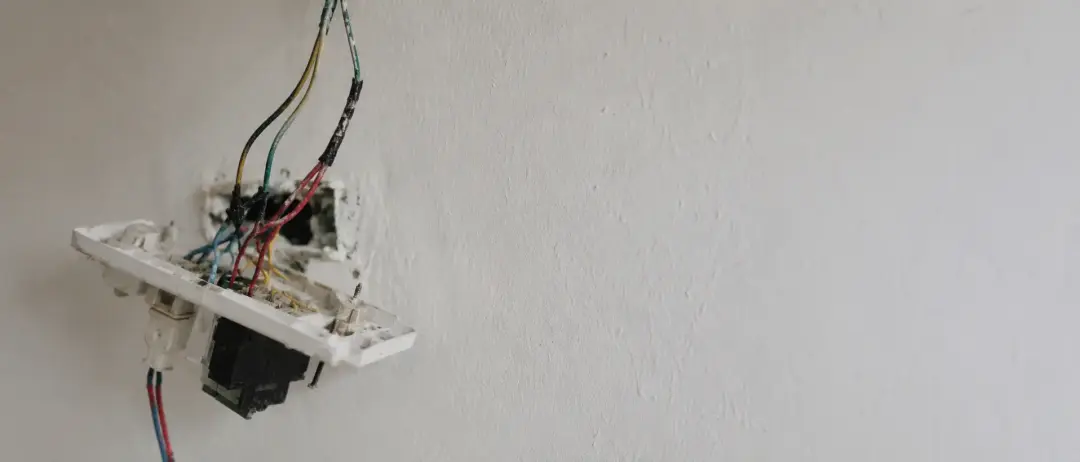
Persistent tripping, damaged fittings, overheating and unreliable electrical connections are reasons to arrange professional assessment. They can point to a local defect, an appliance problem or deterioration affecting a wider installation. A full rewire is one possible outcome, not a diagnosis to make from a symptom alone. The important first step is to establish what is wrong and how extensively it affects the house.
Warning signs are easy to normalise
A socket that only works when a plug sits at a certain angle or a breaker that regularly trips can become part of a household's routine. Living around the problem does not explain its cause. Repeated symptoms deserve investigation even if they disappear between incidents.
NICEIC's May 2026 poll of 2,000 UK homeowners found that one in seven had ignored potentially dangerous electrical faults, including persistent tripping, broken switches and flickering lights. This is a finding about homeowner behaviour, not a measurement of homes requiring rewiring. It supports a practical message: report recurring problems before deciding they are harmless quirks. Source: NICEIC research, 2026.
Burning smells, scorch marks and unusual heat
Discolouration around a socket or switch can indicate overheating. Unexplained electrical smells and unusually hot plugs also need attention. These are signs to stop and seek help, rather than reasons to keep using the fitting while comparing quotations for a future renovation.
NICEIC includes burning smells, buzzing, discoloured accessories and electric shocks among the warning signs that require professional attention. Such symptoms do not identify the exact repair from appearance alone. Keep clear of suspect equipment and contact a competent electrician. If there is smoke or fire, get out and call 999. Do not touch damaged components or remove covers to investigate. Source: NICEIC rewiring guide.
Repeated tripping needs diagnosis
Protective devices disconnect power for a reason. Repeated tripping can involve faulty appliances, damaged wiring or an unsuitable arrangement, so it is important to describe when it happens rather than conclude that the breaker itself is the problem. Continually resetting it does not establish that the fault has cleared.
Make a simple record of the circumstances: which rooms lost power, what was operating and whether the problem followed a leak or recent work. Share this with the electrician without recreating a fault deliberately. A useful diagnosis should identify whether repair is local, one circuit requires renewal or deterioration is more widespread. Do not replace protective devices with higher-rated alternatives to stop the interruptions.
Age is a reason to investigate, not a deadline
An older house may have been completely rewired, partly updated or altered many times. The building's construction date therefore tells you less than the condition and history of its installation. Equally, a recent consumer unit does not prove that all connected wiring was renewed.
Ask for installation certificates, inspection reports and records of later work. If the history is unclear, explain this when arranging assessment. Treat colour, style and age as clues rather than a pass-or-fail test. The decision to retain or replace circuits should rest on their condition and suitability. An electrical installation does not automatically become unsafe on a particular birthday, and a modern appearance cannot substitute for evidence.
Too few sockets can reveal a planning problem
Permanent reliance on trailing leads may indicate that the room no longer suits the way you use it. It does not, by itself, prove that existing cables are defective. A home office, kitchen appliances or bedroom equipment can expose a shortage of conveniently positioned outlets even where the underlying circuit remains serviceable.
Prepare a room-by-room list showing where equipment is used and which additions you want. The electrician can assess whether extra outlets, a new circuit or wider work is appropriate. Avoid presenting every inconvenience as a safety defect: separating the two helps you understand the quotation. A rewire can address both, but the reason for each part of the project should remain clear.
Distinguish repair, partial rewire and full renewal
Ask the contractor to explain the evidence behind the recommended scope. A damaged fitting, an affected circuit and deterioration throughout several circuits are different findings. Request separate descriptions of necessary work and optional improvements so that you can make an informed decision.
For proposed notifiable work in England, discuss the building-regulations compliance route as well as electrical certification. GOV.UK explains that certain work can be self-certified by an installer registered with an appropriate competent person scheme; otherwise building control arrangements may be needed. Check this before work begins. Source: GOV.UK home improvement guidance.
Prepare useful information for the assessment
- List recurring symptoms and when you first noticed them.
- Gather inspection reports and certificates for previous work.
- Explain planned heating, kitchen or vehicle-charging changes.
- Ask which findings justify the proposed extent of replacement.
- Confirm testing, documentation and making good in the quotation.
Summary
A house may need rewiring when assessment identifies wiring that cannot safely or suitably remain in service. Symptoms deserve prompt attention, but they do not all lead to the same solution. For homeowners in Tonbridge, the most useful next step is a clear explanation of the problem and a quotation that distinguishes repair, partial renewal and a full rewire.