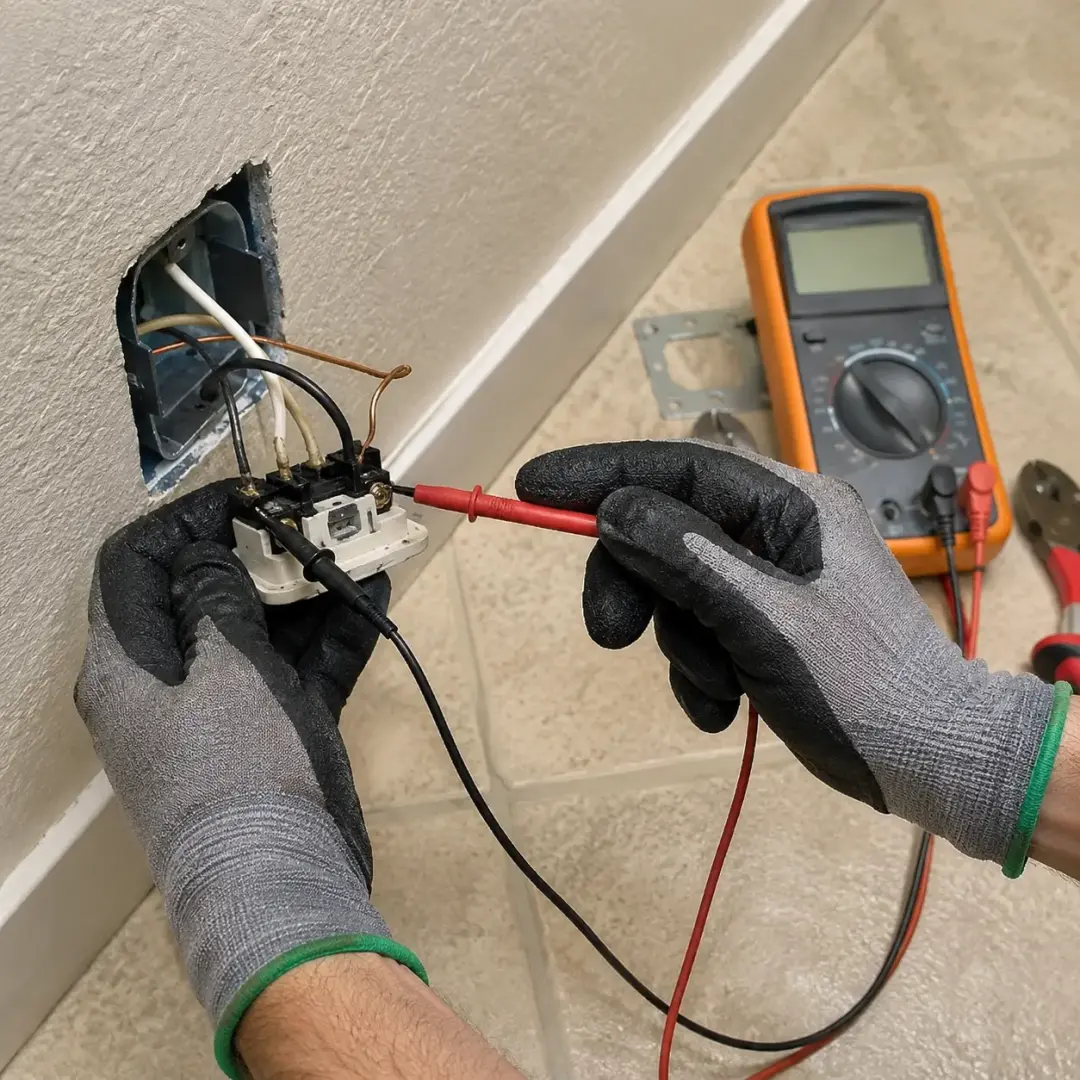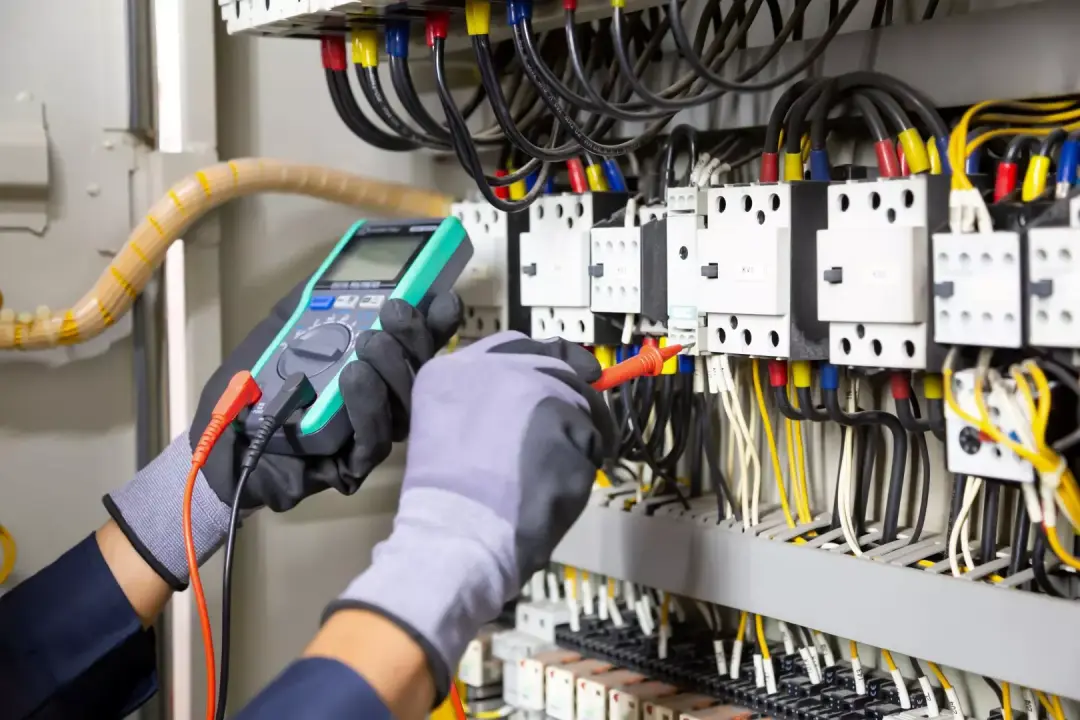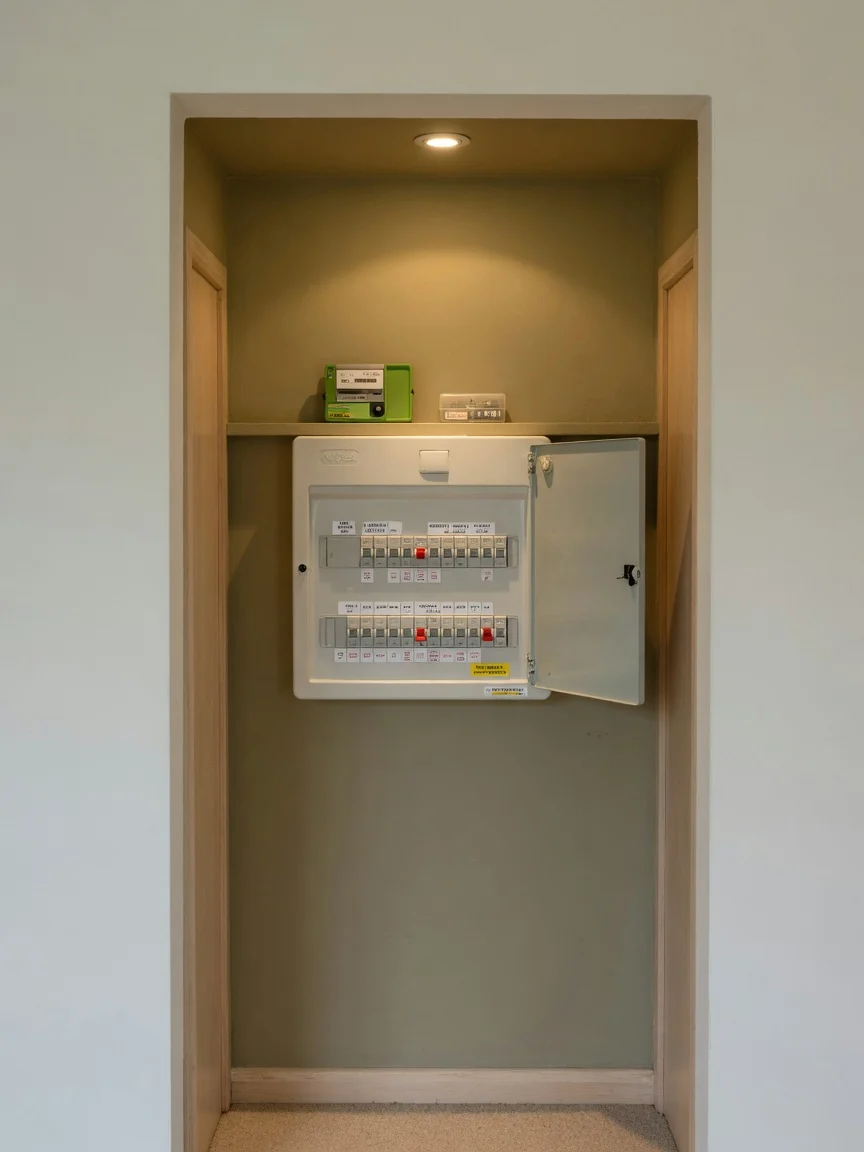
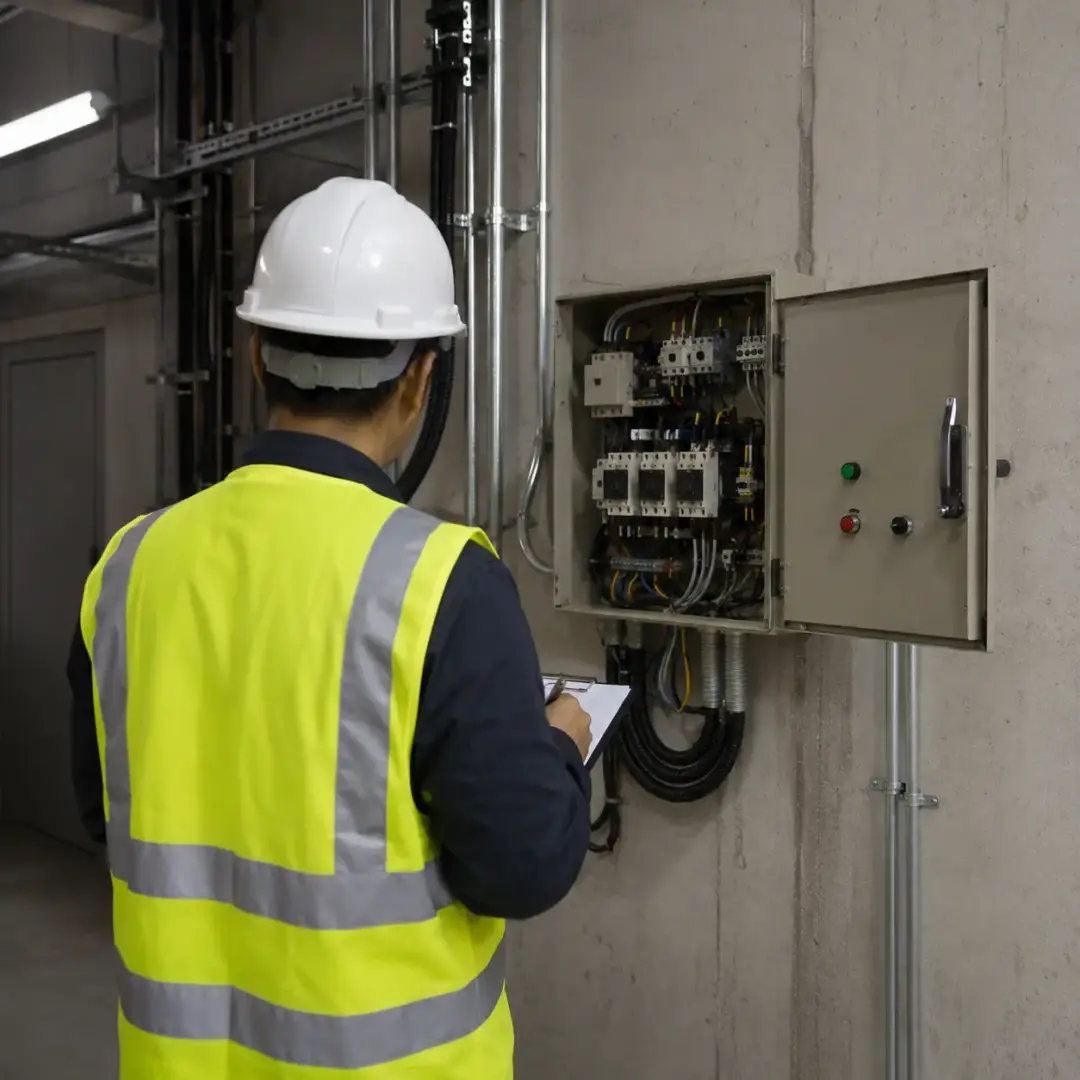
Prepare for an EICR by gathering your electrical records, clearing safe access to the consumer unit and fittings, and agreeing power interruptions with everyone affected. Tell the inspector about faults and equipment that cannot simply be switched off. Useful preparation makes the inspection more complete; it does not involve taking electrical accessories apart yourself.
Prepare records for your EICR in Tonbridge
Put together the previous EICR, any certificates for installation work and evidence of repairs following earlier observations. Include information about extensions, converted rooms, garden supplies, solar panels or battery systems where relevant. A short written history is useful when several contractors have worked at the property and the paperwork is scattered.
NICEIC’s May 2026 research, based on a poll of 2,000 UK homeowners, found that 69% did not know what an EICR was. Knowing the purpose of the appointment helps avoid treating it as a quick check of visible sockets. It assesses the fixed installation through inspection and testing within an agreed scope. Read the NICEIC research.
Agree exactly what the visit covers
When booking, describe the property’s size and use, any outbuildings and how many distribution boards you know about. Ask what the quotation includes, how long access is likely to be needed and how the report will be supplied. Duration depends on circuit numbers, access and the installation’s condition; avoid planning around an unverified promise that every home takes the same time.
Tell the contractor whether the building is occupied and who can authorise access. In a rented property, coordinate with the agent and tenants before the appointment. Locked rooms, a garage key held elsewhere or an inaccessible board can create limitations that need recording. Explain any access requirements or support needs so arrangements can be made calmly, rather than leaving the inspector to discover them at the door.
Clear routes without disturbing electrical equipment
Move ordinary stored items away from the consumer unit and keep a safe route through the rooms. Make sockets, switches and other accessible fittings easier to reach, particularly where furniture or cupboard contents would otherwise prevent inspection. Do not move heavy appliances or furniture alone if doing so would be unsafe; ask in advance how difficult access will be handled.
Leave electrical covers, screws and circuit connections to the inspector. Clearing a cupboard is useful preparation; removing a socket faceplate is electrical work. Likewise, do not lift floors, disturb loft insulation or improvise a ladder arrangement because you assume testing requires it. Discuss lofts, fragile finishes and concealed areas with the contractor, who can explain what is reasonably accessible and record any necessary restrictions.
Practical next steps
- Gather reports, installation certificates and repair records before the visit.
- Agree power interruptions and arrangements for critical equipment.
- Clear ordinary obstructions; leave electrical dismantling to the inspector.
Plan for interruptions to power
Inspection and testing can require circuits to be isolated. Arrange the likely interruptions with the electrician and tell everyone using the property. Save computer work, consider internet access and check whether heating controls, gates, alarms or other equipment will need attention when power is restored. Charge a phone beforehand so you can stay in contact without relying on a socket during the visit.
Flag medical equipment, essential refrigeration, pumps and other critical systems at booking. Their users need an agreed continuity plan; do not assume a portable power bank is an adequate solution. Tell the inspector about alternative supplies such as a generator, solar installation or battery storage. Switching off one supply does not necessarily remove every electrical source, and isolation must be managed by a competent person.
Share faults honestly before testing begins
Write a concise symptom list: which breaker trips, whether lights flicker, where a fitting has overheated and when the problem happens. Include intermittent issues even if they cannot be reproduced on the day. A description such as ‘the kitchen circuit trips when the dishwasher starts’ is more useful than saying the electrics are temperamental.
Do not hide damaged fittings or arrange cosmetic changes to make the property look ready. If a fault is active, contact the electrician before waiting for the booked inspection. A separate electrical fault-finding visit may be appropriate. An EICR records condition; it is not automatically an appointment to repair every defect encountered. Confirm how urgent findings and any additional work will be discussed and authorised.
Check the handover and retain the full report
Before the inspector leaves, ask whether anything has been isolated or left out of use and whether any immediate precautions apply. Do not restore a circuit that was made safe without the contractor’s advice. Once you receive the document, check the address, extent, limitations, observations and overall outcome. Ask for an explanation of anything you do not understand.
Keep the report with subsequent certificates, rather than saving only the cover page. Where recommendations need quotations, provide contractors with the relevant observations and schedules so they price the actual issue. You can also review electrical inspection services when planning future assessments. The best preparation ends with a usable record: one that shows what was checked, what still needs attention and who is arranging the next step.
Summary
Good EICR preparation is practical: accessible fittings, complete records, a clear fault history and planned interruptions. Agree the scope and access arrangements before inspection day, then keep the full report and any follow-up documents together. Contact Tonbridge Electrical Testing to discuss the visit and any specific needs at your property.