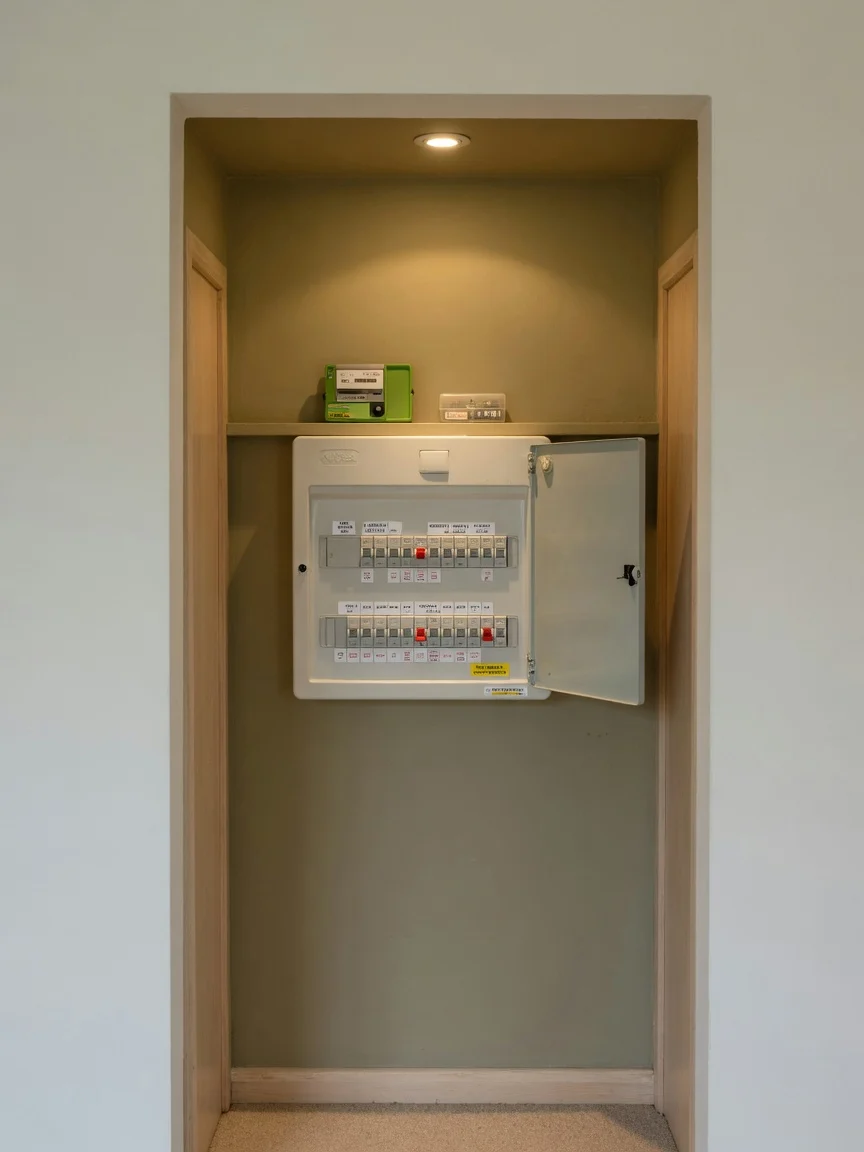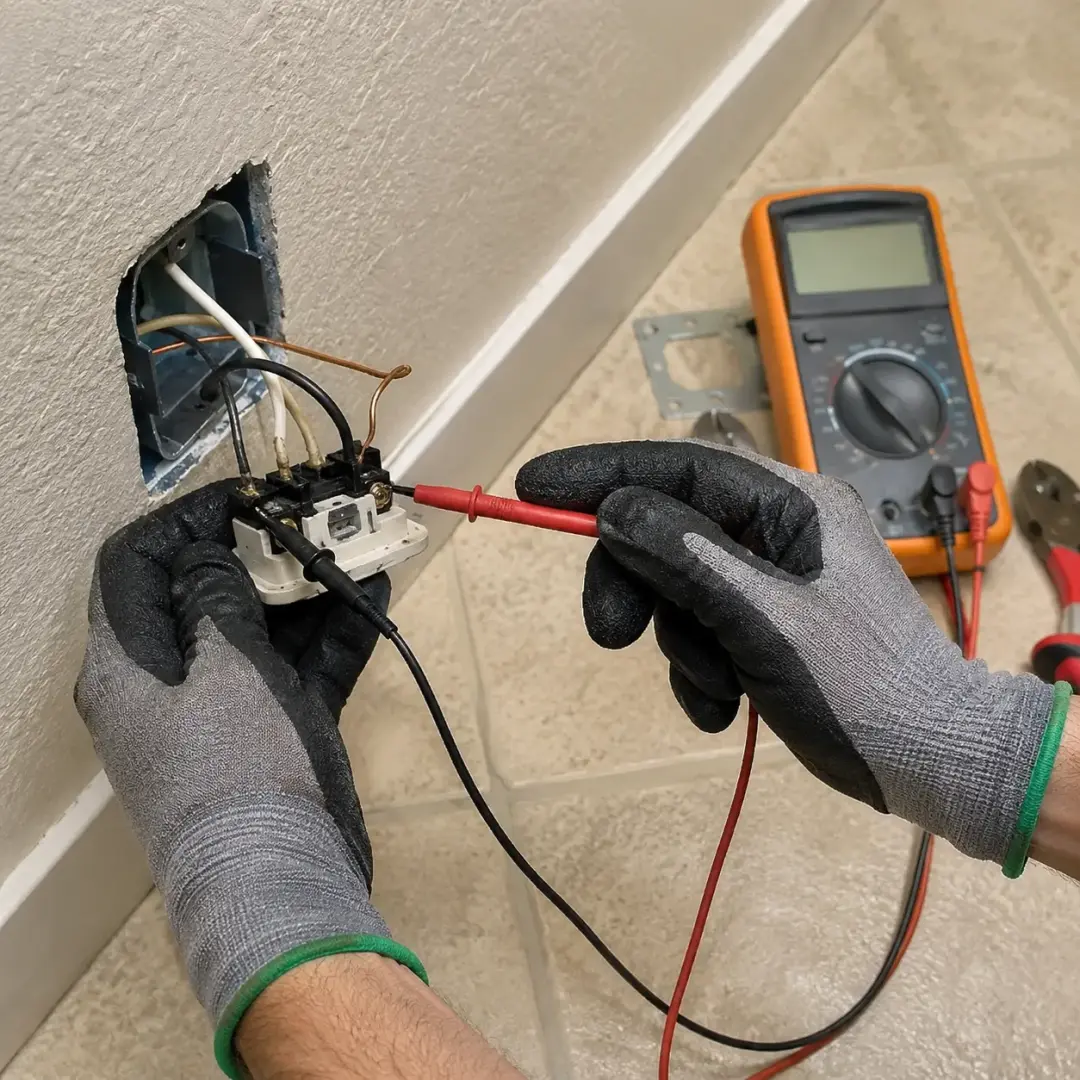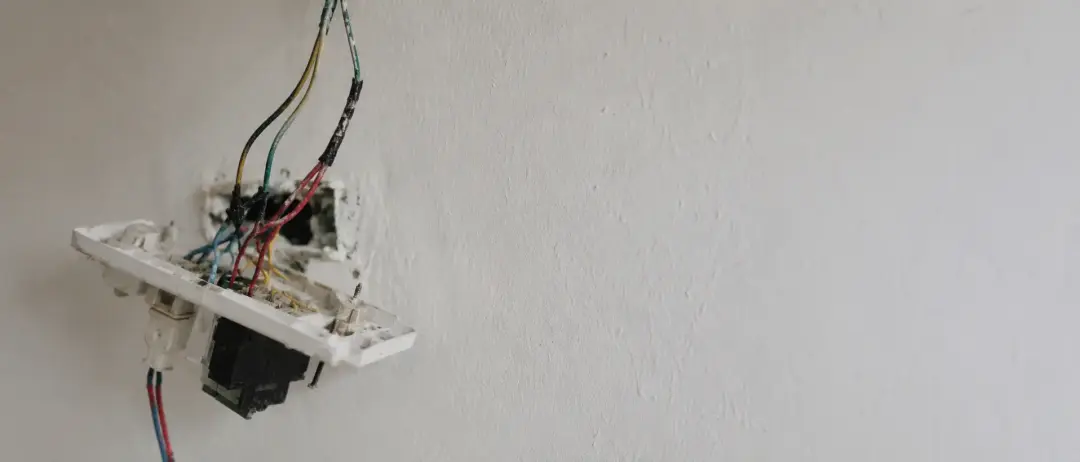
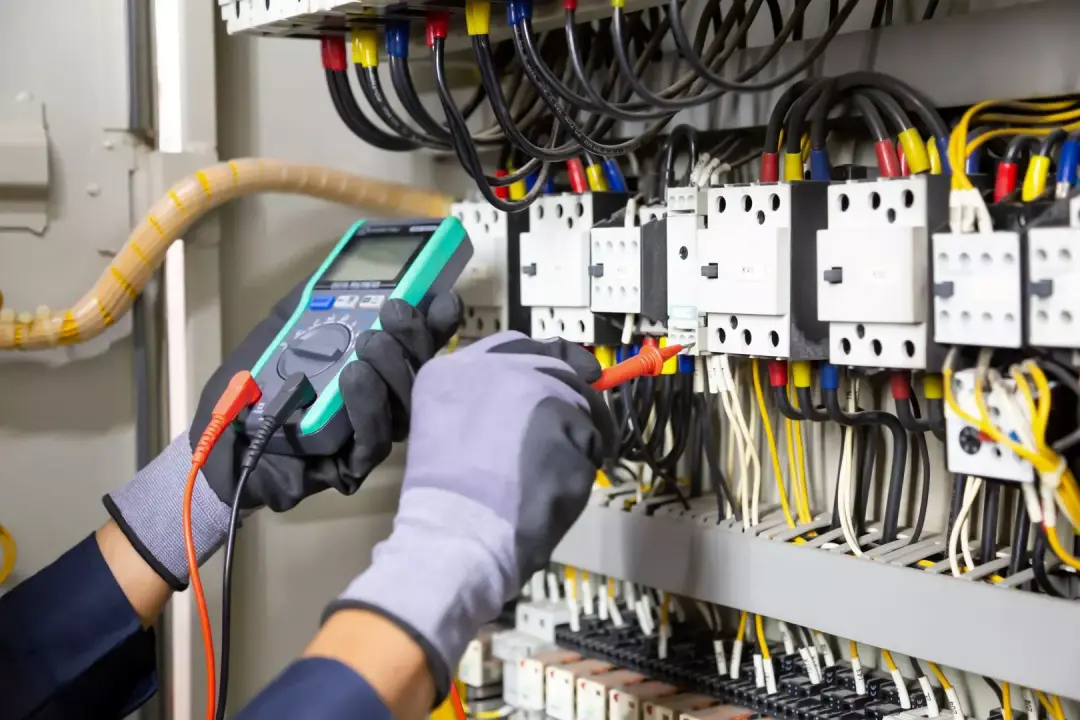
For an owner-occupied home, inspection is generally recommended at least every ten years, with earlier checks where its condition or circumstances justify them. For rented homes in England covered by the electrical safety regulations, inspection and testing must take place at intervals no longer than five years, or sooner where the report requires it. The property type and existing report determine your starting point.
Start with the last inspection report
Find the most recent Electrical Installation Condition Report and read its recommended next inspection date. That interval reflects the installation assessed at the time. It should not be extended simply because the lights work or an online guide gives a longer general recommendation.
Check what has changed since the assessment: damage, alterations or a different use of the property may justify an earlier visit. Keep records together so the next inspector can understand previous findings and subsequent work. If the report is missing, ask the owner, agent or previous contractor for a copy. When the history cannot be established, discuss an inspection plan with a competent person instead of choosing an arbitrary date.
Owner-occupied homes and the ten-year recommendation
NICEIC encourages homeowners to obtain an EICR at least every ten years. This is not a blanket statutory testing interval for owner-occupied homes. An inspector may recommend a shorter period based on the installation's condition. Homeownership therefore calls for judgement alongside the calendar. Source: NICEIC's homeowner guidance.
Keeping track is a common problem. NICEIC's May 2026 survey of 2,000 UK homeowners found that 22% had not had their electrics inspected and tested for more than a decade, if ever; 16% were unsure whether their property had ever been assessed by a qualified electrician. These are reported experiences, not inspection results. A dated report is more dependable than memory. Source: NICEIC homeowner research, 2026.
Rented homes and the five-year maximum
For rented homes in England within scope of the regulations, five years is the maximum interval unless a report requires an earlier inspection. A new tenancy does not automatically require a fresh full test where an appropriate existing report remains valid. Landlords should retain evidence of compliance and follow the current government guidance. Source: GOV.UK rented-sector guidance.
The guidance covers private and social renting, with transitional arrangements for some existing social tenancies. Certain tenancies are excluded and rules differ outside England. Record the next date for each address, arrange access early and deal with required repairs within the applicable deadlines. A report's nominal age is not permission to leave known defects unresolved: the testing cycle and the response to an identified risk are separate responsibilities.
New symptoms override a future inspection date
A future date on a report does not make a new problem safe to ignore. Repeated tripping, scorch marks, unusual electrical smells or damaged fittings need assessment when they arise. A water leak affecting electrical equipment or accidental cable damage also changes the situation.
Describe the symptoms when contacting an electrician, including whether one appliance or several rooms are affected. Do not open fittings or attempt live tests yourself. The contractor can determine whether targeted fault finding, remedial work or a wider assessment is appropriate. If there is smoke or fire, leave the building and call 999. A routine EICR appointment should never be treated as the response to an immediate emergency.
Renovation and new equipment need their own checks
An extension, kitchen refurbishment or new high-demand appliance may require design and verification beyond periodic inspection. Tell the contractor about planned work before choosing fittings or finalising layouts. A satisfactory report on the existing installation does not approve a proposed new circuit.
Certificates for alterations should identify what was installed and tested. Store them with the EICR rather than assuming one replaces the other in every circumstance. If several electricians have worked on the property, clear records help the next person separate original circuits from later additions. This is particularly valuable where you are combining projects: an extension, heating change and charger installation should be considered together when their electrical demands overlap.
Workplaces require a programme suited to their risks
Commercial premises should not adopt a domestic timetable without checking their circumstances. HSE explains that inspection and maintenance should reflect the risks, including the environment and likelihood of damage. A workshop with heavy equipment and a dry office can need different arrangements. Source: HSE electrical safety FAQs.
Ask a competent person to establish a suitable programme and distinguish fixed-installation assessment from appliance checks. Consider operating hours, moisture, dust, previous findings and changes in use. Where a lease or insurer sets additional conditions, review those too. A generic reminder should support, rather than replace, a maintenance plan designed around the premises.
Keep an electrical maintenance record
- Save the full report, including schedules and limitations.
- Record the next inspection date for the correct address.
- Retain certificates and evidence of completed repairs.
- Review the plan following significant damage or alterations.
- Report developing faults promptly instead of waiting for a deadline.
Summary
Testing frequency depends on the property's use, the applicable rules and the last inspector's recommendation. Ten years is a general homeowner recommendation; five years is the maximum for rented homes in England within scope of the regulations. Neither excuses ignoring deterioration. A clear record and an appropriate inspection plan help property owners in Tonbridge organise the right assessment at the right time.