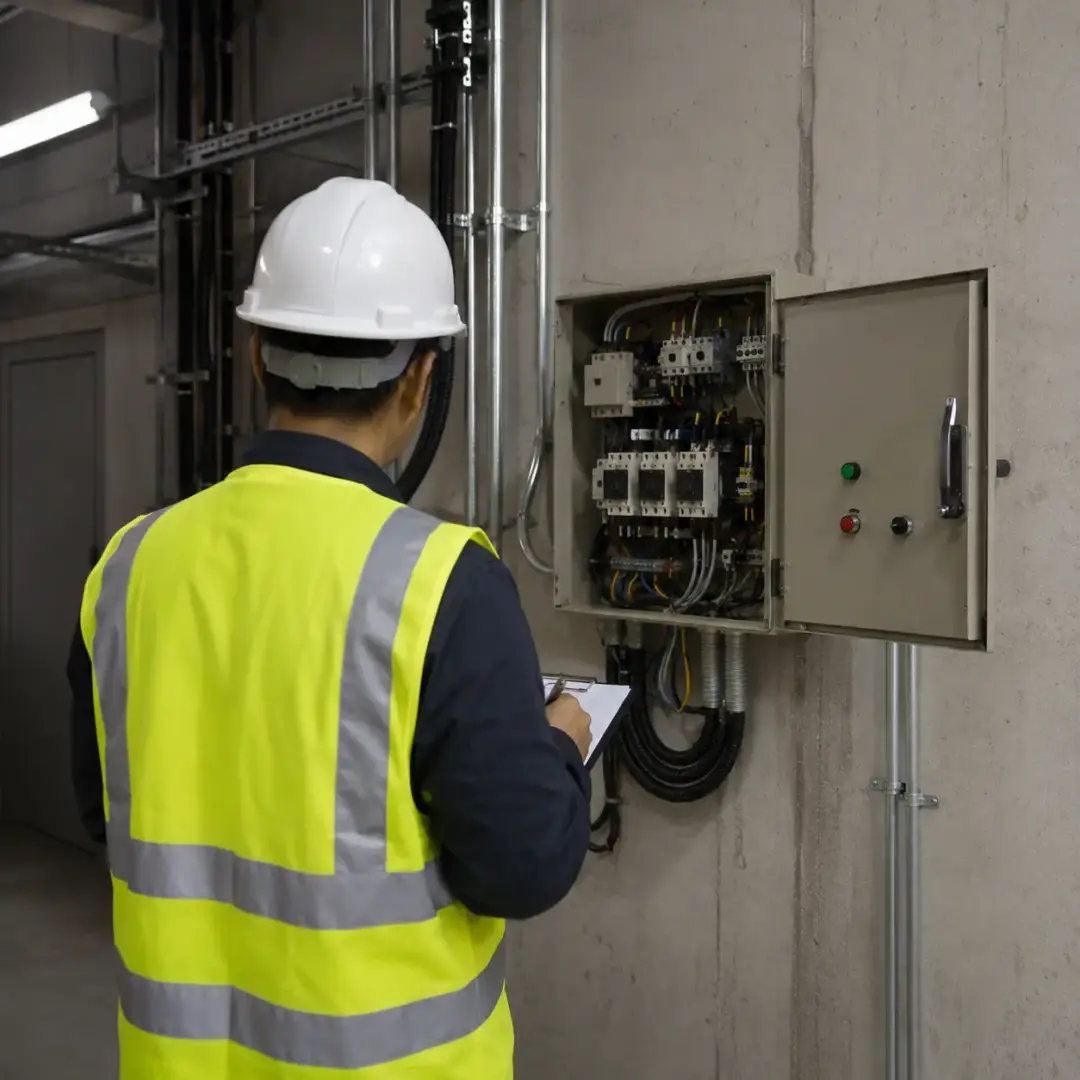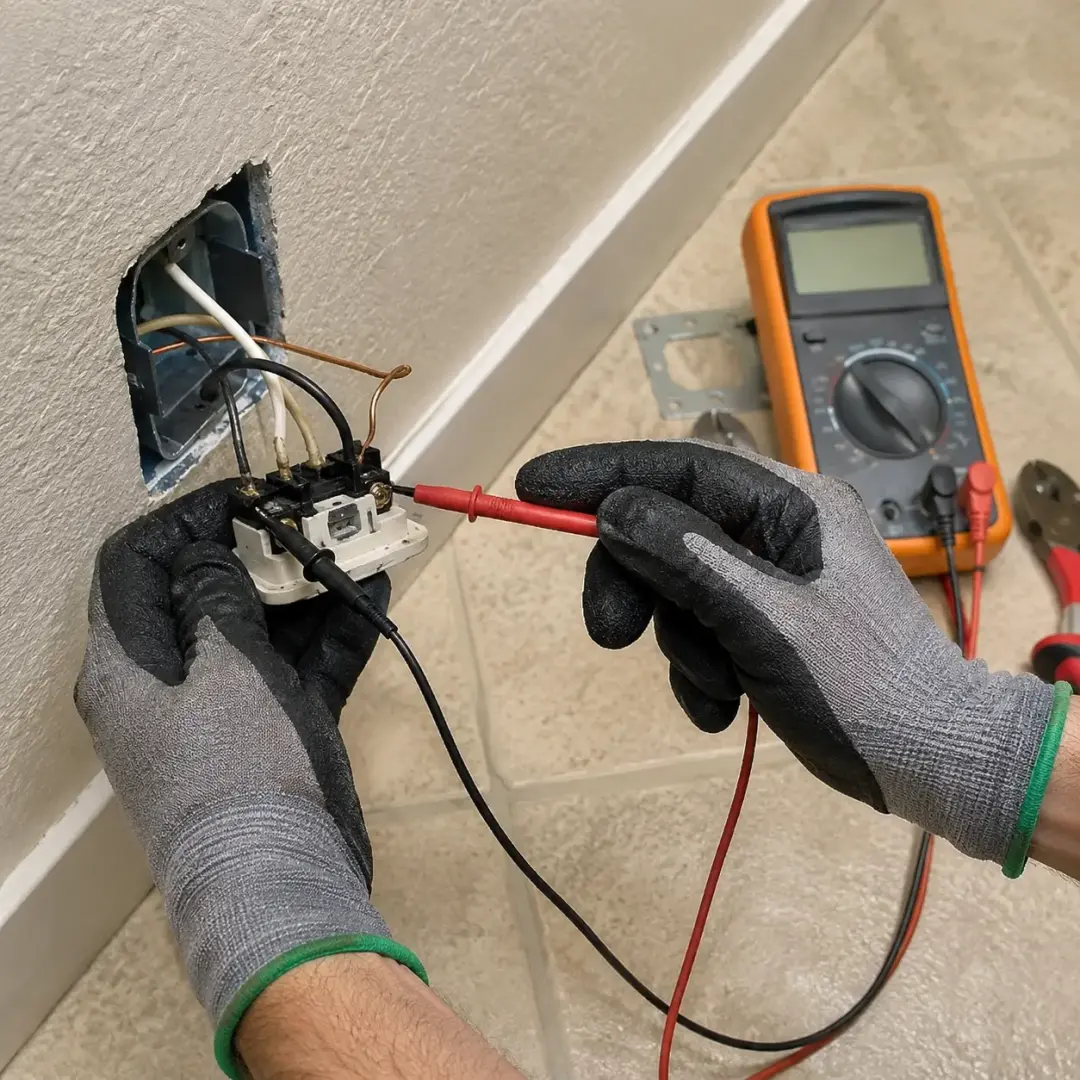
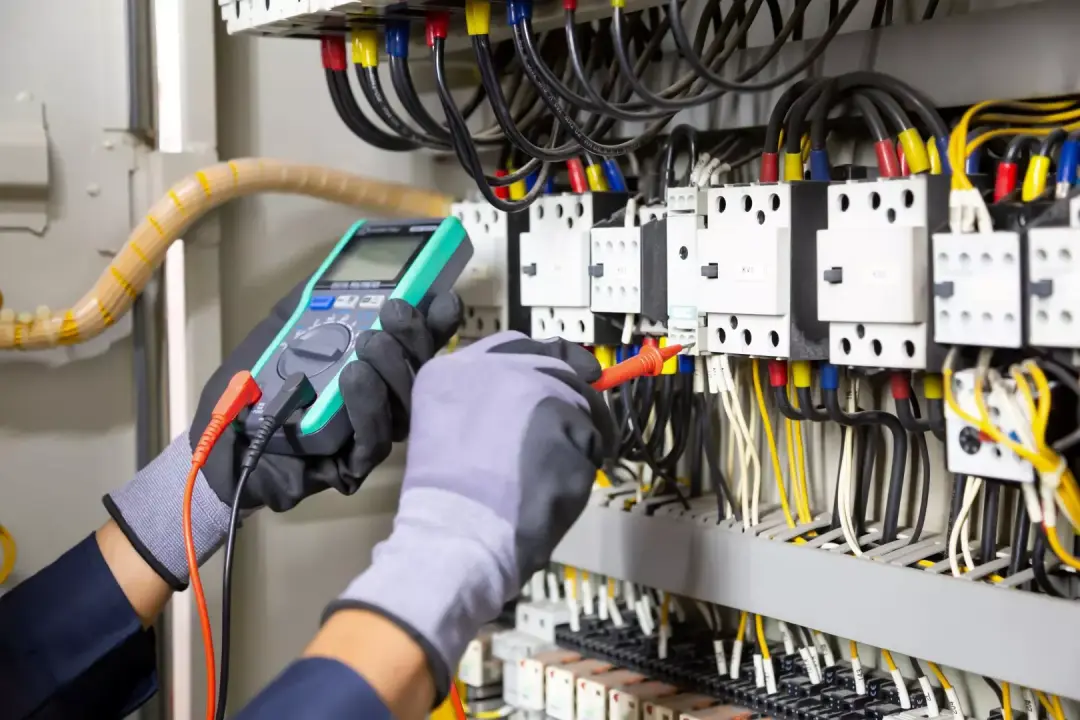
An Electrical Installation Condition Report is generally recommended every ten years for an owner-occupied home. Rented homes in England covered by the electrical safety regulations must be inspected and tested at least every five years, or sooner when the report specifies it. Your property’s use, condition and last inspection date decide when you should act.
EICR testing in Tonbridge: find your starting date
The most useful starting point is the full previous report, including its schedules, observations and recommended interval. Look for the address, inspection date and date recommended for the next assessment. A receipt for electrical work is not a substitute: it may cover a replacement fitting rather than the condition of the whole installation.
If you cannot find the document, ask the previous owner, letting agent or inspecting contractor. Record uncertainty honestly. A consumer unit sticker can help locate a date, but it does not explain the inspection’s limitations or whether subsequent repairs were completed. For a property with no dependable history, discuss an assessment rather than assuming that recently decorated rooms mean recently tested wiring.
Homeowners: understand the ten-year recommendation
Electrical Safety First recommends periodic inspection every ten years for owner-occupied homes. This is general guidance, rather than a universal statutory ten-year deadline for every homeowner. A shorter interval may be appropriate where deterioration, previous findings or the installation’s environment justify it. Follow the recommendation for the actual installation rather than extending it to the longest number you find online. Read the inspection guidance.
An EICR is a condition assessment at the time of inspection, subject to its stated scope. It is not a promise that nothing can go wrong before the next date. Keep an eye on damaged accessories and changes in performance between visits. A home that has experienced a leak or substantial alterations deserves a fresh conversation about its inspection needs.
Landlords: work to the applicable maximum
For rented homes in England within scope, government guidance requires inspection and testing at least every five years, with a shorter interval where the report requires one. The rules now include social renting, with transitional arrangements affecting some older tenancies. As of 19 October 2026, the first-inspection deadline of before 1 November 2026 for qualifying existing social tenancies is particularly relevant. Check the tenancy’s circumstances against the current guidance. Check the rented-sector requirements.
For a portfolio, keep a separate diary entry for each address. Book with enough time to arrange access and respond to findings. Changing tenants is also a sensible point to review records and visible condition, although it does not automatically mean that an otherwise suitable current EICR must be replaced with a new full inspection.
Practical next steps
- Find the previous report and check its recommended interval.
- Review rental duties for the property’s actual tenancy.
- Bring new symptoms to an electrician promptly.
What current research tells property owners
The government’s response to its social-sector electrical safety consultation reported 119 responses, with 97% supporting mandatory electrical installation checks. That is a consultation result, not a finding that 97% of homes were unsafe. Its relevance is the strong support for a planned inspection cycle rather than relying on defects becoming obvious. See the government consultation response.
For an individual owner, records matter more than national sentiment. Write down when the property was last assessed, what work followed and what has changed since. That gives the next inspector a useful history and helps you distinguish a routine anniversary from a problem that needs attention now. A reminder system only works when someone is responsible for acting on it.
Events that bring an inspection forward
Buying a previously occupied property, preparing to let and major changes to use are good reasons to review electrical condition. Building work can also expose uncertainty about older circuits or undocumented alterations. Discuss whether you need an EICR, targeted fault finding or the design and certification associated with new work; these are related services with different purposes.
Damage and warning signs should never wait for a routine date. Repeated tripping, heat damage or a persistent burning smell require prompt professional attention. If there is smoke or fire, leave the property and call 999. Avoid opening electrical fittings to investigate. Tell the electrician what happened, when it began and whether a particular appliance seems involved, then let them decide the appropriate response.
Keep the next inspection straightforward
Store the report alongside installation certificates and written evidence of remedial work. Keep the full documents, not just the page showing satisfactory or unsatisfactory. Note any limitations so a future inspector can plan access to the areas previously excluded. If you arrange renovation work, add the new certificates to the same record.
Properties used for business need a maintenance programme suited to their risks rather than an automatically copied domestic timetable. For local owners, electrical maintenance can sit alongside periodic testing in a sensible care plan. Ask who will monitor the dates, how faults will be reported and where the paperwork will be kept. That turns the EICR from a forgotten document into a practical record of the installation’s condition.
Summary
The usual starting points are ten years for an owner-occupied home and a maximum five-year cycle for rented homes in England within scope. Earlier report dates, damage and changing use can require earlier attention. If your records are missing or your next assessment is due, discuss EICR testing for your property with Tonbridge Electrical Testing.