Older homes can contain electrical work from several different periods, each reflecting changes in how the building was used. Problems may involve deteriorated materials, unsuitable alterations, missing records or protective arrangements that need attention. The house's age alone does not tell you whether it needs rewiring. The challenge is to establish what is present, what remains serviceable and what must be renewed.
A layered installation can hide its history
A property may have an updated kitchen circuit, older bedroom wiring and a garage supply added by a previous owner. Improvements in one area do not establish the condition of the rest. Without reliable records, the installation's history can be harder to understand than its visible fittings suggest.
Historic England highlights ageing systems, repeated alterations and poor records as electrical safety challenges in heritage buildings. The same questions are useful when assessing an ordinary older home: what was changed, when, and how was it verified? Begin with certificates, reports and plans before assuming that the newest-looking component represents the whole house. Source: Historic England's electrical safety guidance.
Deterioration is about condition as well as age
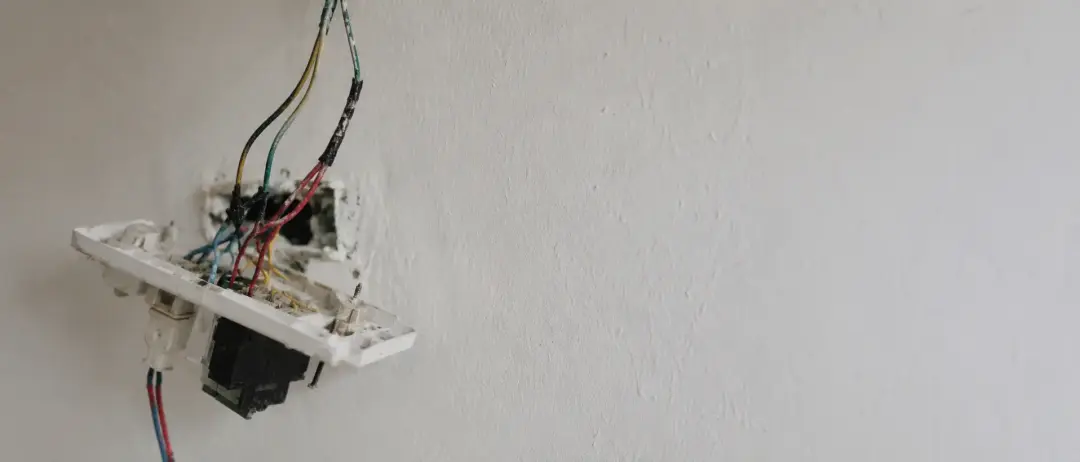
Older cable materials can deteriorate, but their appearance and location are only part of the assessment. Heat, moisture, mechanical damage and previous disturbance may affect different parts of an installation differently. Avoid pulling on exposed-looking cable or opening fittings to identify its material yourself.
Explain known leaks, pest damage and renovation work to the electrician. Ask which circuits have been assessed and what the findings show about their condition. A recommendation should identify whether the concern involves an isolated area or a wider pattern. Where cable replacement is proposed, request an explanation of why it cannot reasonably remain in service. That is more useful than a rule that all wiring over a certain age must go.
Old circuits and modern fittings can be a poor match
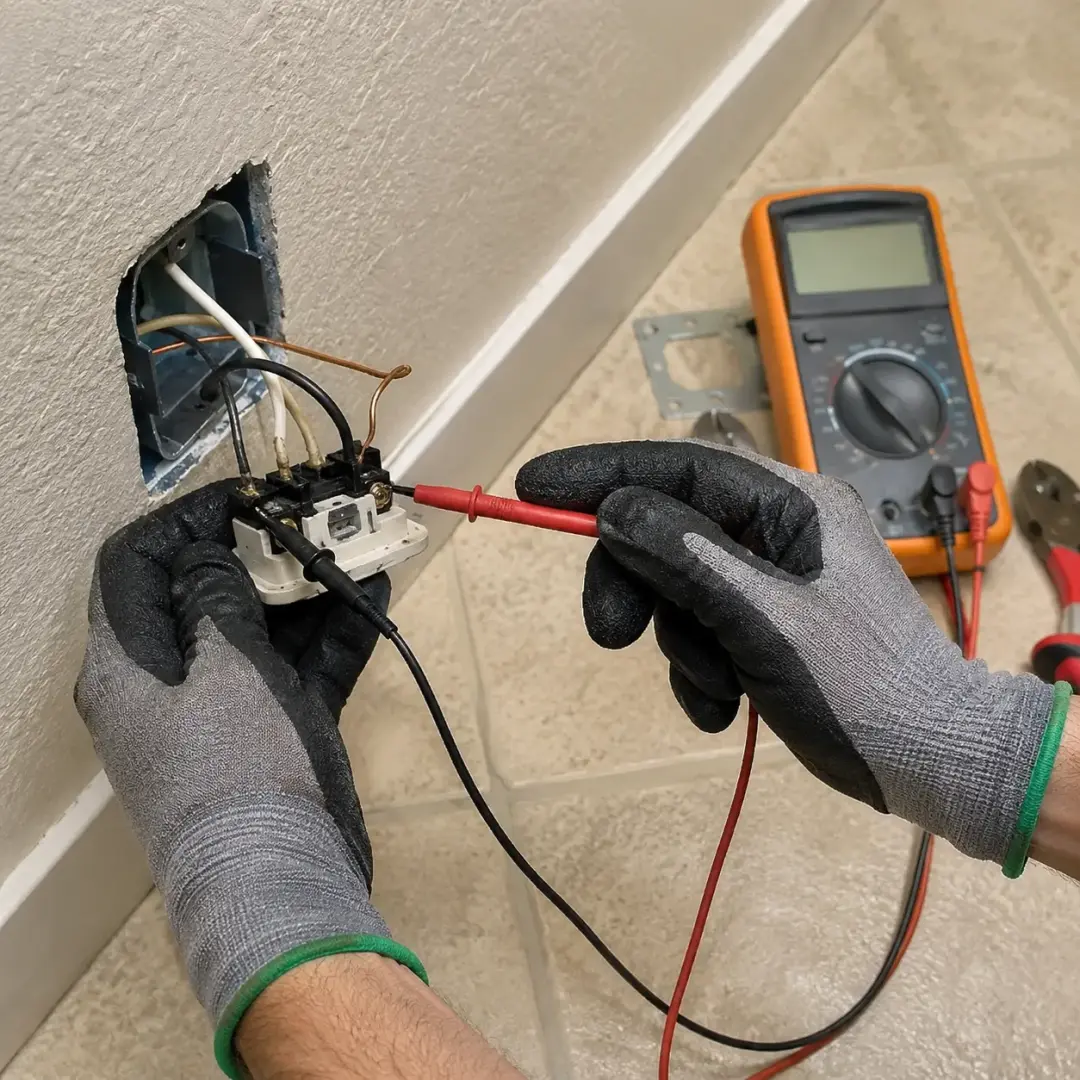
Installing a new fitting does not automatically make an old circuit suitable for it. The electrician must consider the circuit and its protective arrangements, especially when previous owners have changed accessories without leaving clear records. A decorative upgrade and an electrical upgrade are different things.
Do not infer suitability from the fact that equipment has operated for years. Historic England's lighting guidance explains that new work must meet the applicable wiring requirements without impairing the existing installation's safety. Tell the contractor about proposed metal light fittings or other changes before purchasing them, so suitability can be assessed in context. Source: Historic England internal lighting guidance.
Earlier alterations deserve careful investigation
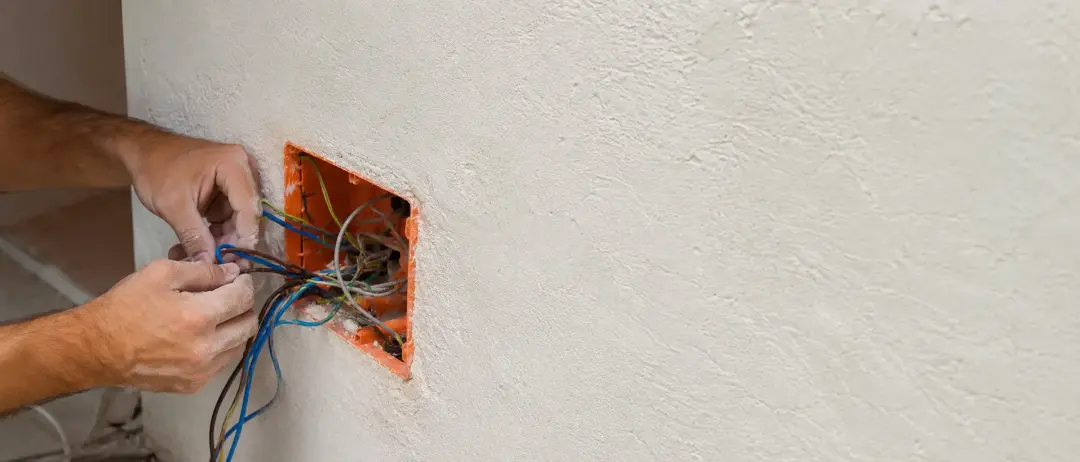
Unrecorded additions can be difficult to distinguish from original work. A boxed-in junction, converted cupboard or later outbuilding supply may conceal decisions made for an entirely different use of the house. The answer is to trace and assess the relevant work, not simply conceal it behind new finishes.
The IET's April 2026 national research reported that 27% of adults had taken apart or replaced fittings such as sockets or switches. That is a measure of reported activity, not the percentage of installations found defective. It reinforces why an older property's alteration history should be checked rather than assumed. Source: IET national study, 2026.
Modern demand may require a different layout
Many older houses were arranged around fewer convenient electrical points. Today's home office, kitchen equipment and planned electric heating can reveal shortcomings in layout or capacity. Too few sockets does not automatically mean the cables are unsafe, but it is a reason to consider how the installation should serve the household.
List present and planned equipment room by room. Discuss priorities with the electrician so that remedial safety work can be distinguished from additional convenience and future provision. Replacing accessories one at a time without an overall plan may leave the original limitations unresolved. A coordinated design is particularly useful when floors or walls are already being opened for other work.
Protect the building while renewing services
For a historic property, the route taken by new services can matter as much as the equipment chosen. Cutting into old plaster, lifting significant floorboards or disturbing decorative features should be planned carefully. Existing openings may offer options, but their suitability still needs assessment.
Historic England advises minimising permanent damage when installing or upgrading services. For a listed building, discuss consent requirements with the relevant local authority before work that could affect its special interest. Do not assume that electrical safety work automatically removes the need to consider historic fabric. The contractor and any conservation adviser should coordinate their requirements. Source: Historic England advice on installing services.
Plan repairs around evidence
- Gather records for extensions, conversions and outbuildings.
- Identify areas with leak damage or uncertain alterations.
- Explain intended changes to fittings and equipment.
- Ask which circuits can remain and why others need replacement.
- Coordinate access with renovation and conservation requirements.
- Keep the new records for the next owner or inspection.
Summary
Older-home wiring problems usually become clearer when condition, alterations and future use are considered together. Preserve serviceable work where appropriate and renew what evidence shows needs attention. For an older property in Tonbridge, a coordinated rewiring plan can improve safety and usability while avoiding unnecessary disturbance to the building and its finishes.