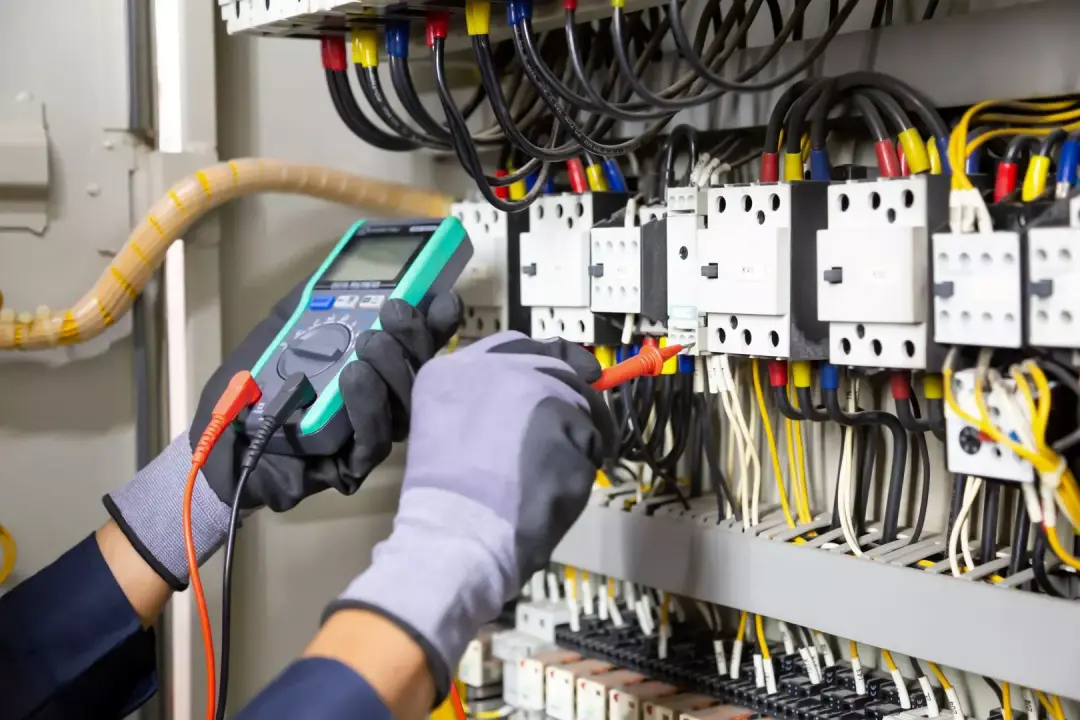
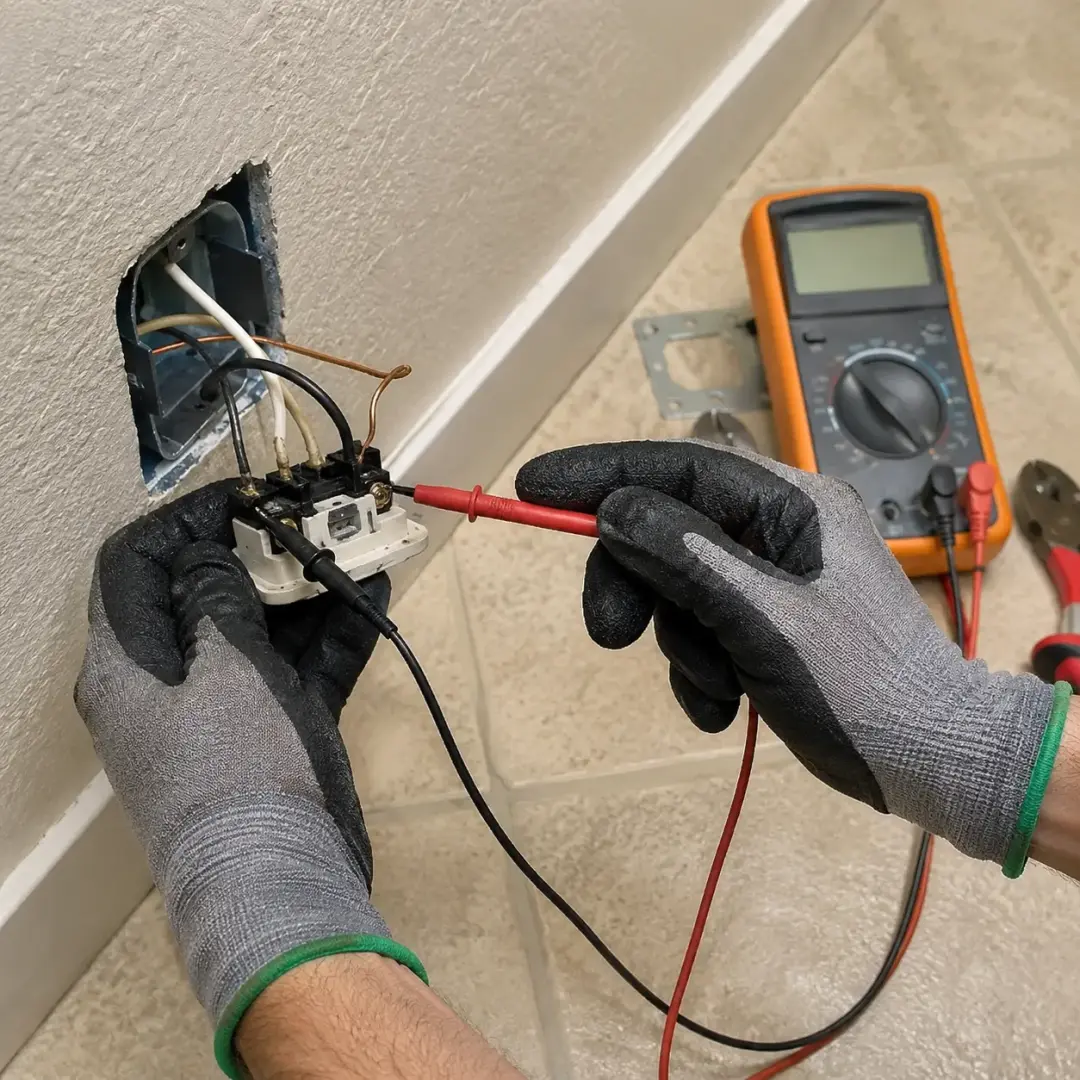
An electrical inspection can uncover damaged accessories, poor connections, inadequate protective arrangements and defects left by earlier alterations. Some are visible; others emerge through testing. A useful report explains each observation and its significance, rather than leaving you with unfamiliar codes. The examples below describe issues an inspector may encounter, not a ranked list of faults present in every property.
Damaged sockets and switches
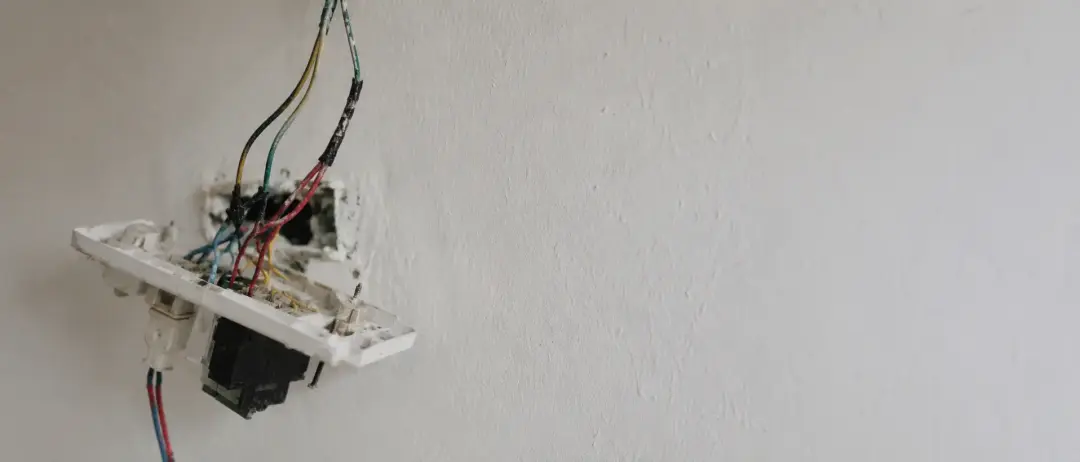
Cracked faceplates, loose fittings and overheating marks deserve attention because they can affect an accessory's enclosure or connections. An inspector considers its physical condition and installation, rather than checking only whether it supplies power.
In April 2026, the IET reported that 10.9% of adults in its national study continued using damaged sockets. This describes reported behaviour, not the percentage of sockets found defective in inspections. A familiar problem should not become accepted as normal. Tell the inspector about hot, intermittent or damaged fittings without removing covers to investigate. Source: IET study, April 2026.
Missing or ineffective protective connections
Earthing and bonding have important protective roles. A visible green-and-yellow conductor alone does not prove that the required protection is effective. Testing and inspection help establish the actual arrangements, including questions left by previous work or changes to incoming services.
An observation should explain the deficiency and why it matters. Avoid translating every mention of bonding into an identical repair: the correct arrangement depends on the installation. Ask which connection or finding the inspector is referring to. Government guidance identifies inadequate earthing or bonding among the issues inspection is intended to detect. Source: GOV.UK inspection guidance.
Insulation concerns in concealed circuits
Cable insulation helps separate conductors and prevent unwanted current paths. Physical damage, deterioration or moisture can affect it without leaving a visible mark on the finished wall. Electrical tests may produce findings needing investigation even when the lights appear to work normally.
A concerning result begins a diagnostic process; it does not automatically mean every cable needs replacing. The contractor may need to identify the affected circuit or connected item and account for access restrictions. Ask what the next investigation will establish. IET guidance explains technical testing considerations, including precautions for connected equipment. These are professional procedures, not checks to attempt with a household meter. Source: IET inspection and testing FAQs.
Problems introduced by alterations
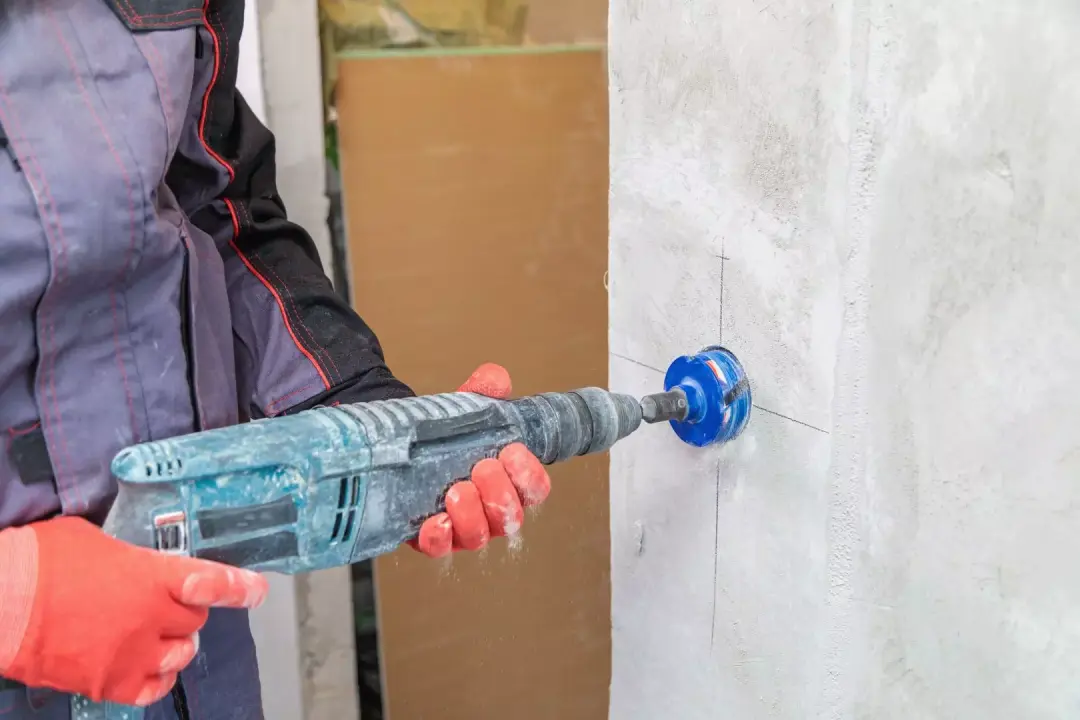
An installation can contain work completed over several decades. An extension or conversion may introduce unsuitable connections, unclear identification or additions made without adequately checking the original circuit. New fittings alone cannot establish the quality of what lies behind them.
Give the inspector a history of known work, particularly in garages, kitchens and converted lofts. Plans and certificates may help explain changes, although they do not replace testing. Ask whether a defect is confined to an addition or affects the wider circuit. That distinction matters when specifying remedial work. Neither the age of the original house nor the apparent newness of an extension is sufficient evidence to decide what should stay.
Consumer-unit and protective-device findings
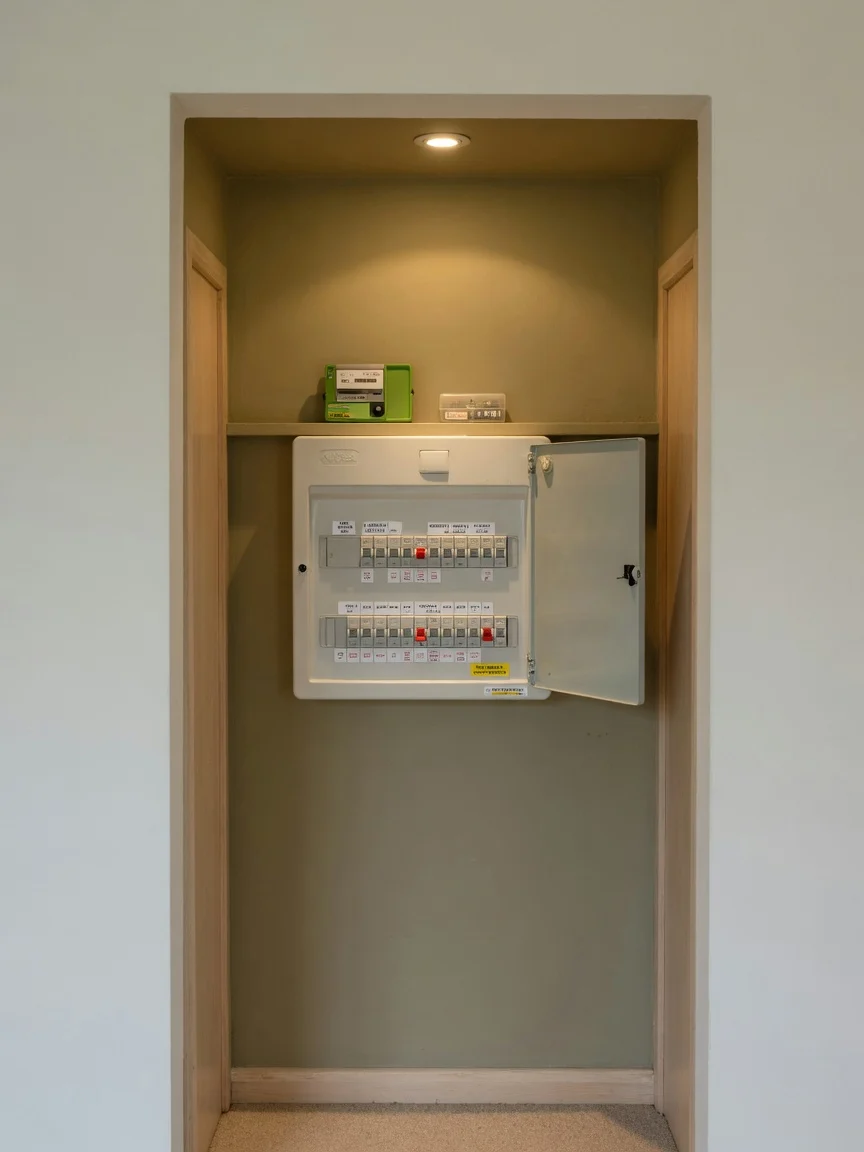
Consumer units bring circuit protection together, so damaged enclosures, missing covers and poor identification can have wider consequences. Protective devices also need appropriate assessment. The condition of a board cannot be judged simply from its colour, the presence of switches or a recent installation date.
An older board does not by itself prove that the house needs a full rewire. Ask the inspector to distinguish specific safety observations from optional improvements. NICEIC describes visual examination and electrical tests as parts of a condition assessment. Clear observations let you obtain a quotation for necessary work rather than purchasing an undefined upgrade package. Source: NICEIC's inspection overview.
Turn the report's codes into an action plan
Read observations alongside the overall assessment and limitations. C1 indicates danger present; C2 indicates a potentially dangerous condition. C3 means improvement is recommended. FI calls for further investigation without delay. Electrical Safety First publishes detailed classification guidance for inspectors. Source: Electrical Safety First, Best Practice Guide 4.
Ask the contractor to match proposed work to the numbered observations. If further investigation is needed, establish what it will determine before assuming a particular replacement is necessary. Follow immediate safety instructions where a dangerous condition has been identified. An improvement recommendation has a different significance from an urgent remedial observation, even when both appear in the same report.
Useful questions for the inspector
- Which items require immediate or urgent action?
- Which locations or circuits are affected?
- Did access restrictions leave an important question unresolved?
- What must be investigated before a repair can be specified?
- Which completion records should accompany the remedial work?
Summary
Inspection is most useful when it identifies the actual problem and a proportionate response. Damaged accessories, protective connections, insulation concerns and poor alterations require different solutions. For a property in Sevenoaks, use the report to agree a clear repair or investigation plan. Each observation should be understandable without assuming that every defect requires the entire installation to be replaced.