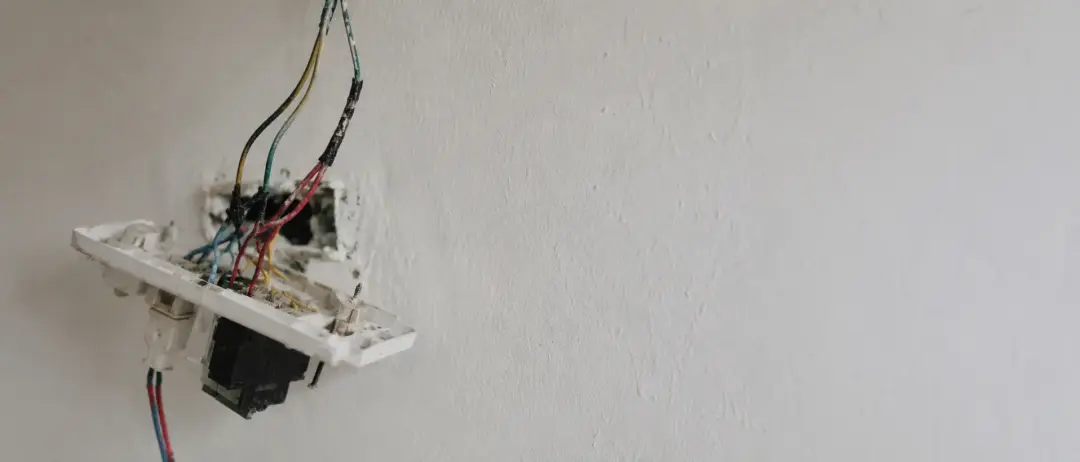
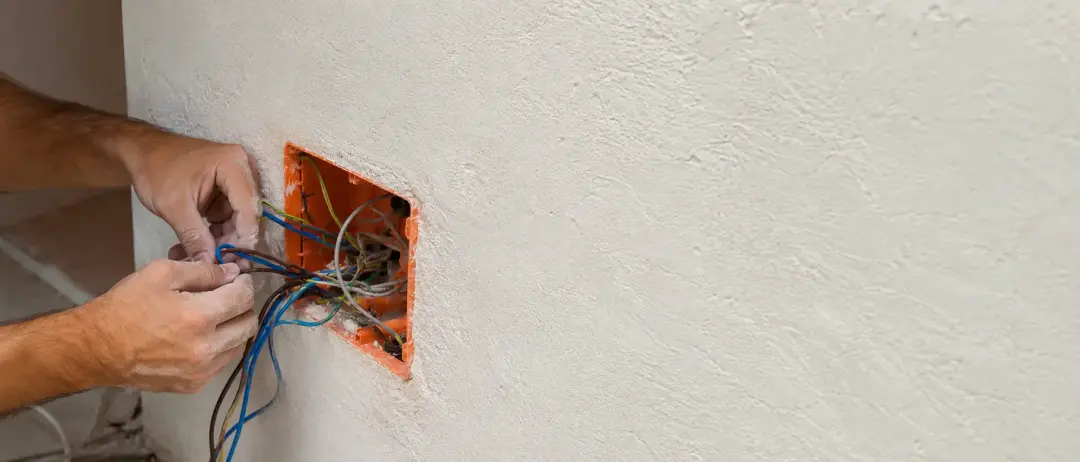
If a house may need rewiring, establish the electrical condition and likely scope before committing to your purchase. Obtain the available reports, arrange specialist assessment with the seller’s permission and price the identified work alongside finishing costs. Age, attractive new sockets and a general survey comment are not enough to decide whether a full rewire is required.
Buying in Tonbridge: request evidence early
Ask the seller through the normal purchase process for the latest EICR, installation certificates and any records for alterations. Check whether documents refer to the whole property or just one circuit. A certificate for a kitchen alteration cannot establish the condition of every older circuit elsewhere in the house.
NICEIC’s May 2026 poll of 2,000 UK homeowners found that 16% were unsure whether their property had ever been assessed by a qualified electrician. That uncertainty shows why buyers should seek documents rather than relying on recollection. It does not establish that the house you are buying is defective. Match each document to the address, date and work it actually describes. Read the homeowner research.
Separate a building survey from electrical testing
Ask your surveyor what electrical checks were included in the service you commissioned. A general building inspection may identify visible concerns and recommend a specialist assessment, but it should not be assumed to include the electrical tests needed to establish circuit condition. Read the survey’s scope rather than interpreting the absence of a warning as an electrical approval.
Where more information is needed, arrange an EICR assessment with the seller’s agreement and suitable access. Ask about limitations, particularly in occupied rooms, lofts and outbuildings. If important areas cannot be assessed, carry that uncertainty into the purchase decision. A restricted inspection should not be presented as proof that every concealed part of the installation has been checked.
Ask whether a full rewire is actually justified
If a report recommends work, request an explanation linked to its observations and test results. Some properties need local repairs, protective-device upgrades or replacement of particular circuits. Others have widespread deterioration that makes a full rewire appropriate. These are very different projects in cost, disruption and the amount of the building that must be opened.
A recently replaced consumer unit does not confirm that old wiring behind walls was changed. Conversely, dated switches do not prove that hidden cables have failed. Ask the electrician which circuits can reasonably remain, what needs replacement and whether further investigation is required before giving a firm scope. Keep optional improvements separate so you can see the difference between making the installation safe and adapting it to your preferences.
Practical next steps
- Request electrical documents before committing to a purchase.
- Price required repairs separately from your preferred upgrades.
- Allow for finishing work, access and the moving timetable.
Obtain a quote that reflects your renovation plans
Give contractors the same room layout and list of intended appliances. Include any proposed extension, home office, electric heating or future charging requirement so the electrical design is considered alongside the purchase. Quotes based on different accessory counts or assumptions about access will not be directly comparable.
Ask whether prices include testing, certification, making good, VAT where applicable and disposal. Budget for decorating and floor repairs if those are outside the electrical contract. Temporary accommodation, storage or a delayed move can also affect your overall purchase budget. Avoid treating an online national average as a quotation for a particular house: access, condition, specification and the extent of the work decide the actual proposal.
Use the evidence in your purchase decision
Discuss the report and quotations with your conveyancer and surveyor before exchange where possible. They can help you understand the implications for your transaction and any lender requirements. A seller is not automatically required to accept a price reduction simply because an electrical report recommends improvements; negotiations depend on the evidence and the agreement between the parties.
If the seller proposes completing work, agree the scope and the documents you expect afterwards through the purchase process. Do not rely solely on an assurance that an electrician has ‘sorted everything’. If you plan to do the work after completion, establish safe occupation arrangements first. An identified immediate hazard is a safety issue to manage, not merely a figure to deduct from an offer.
Sequence the work before moving in or decorating
An empty property can give contractors better access than a home full of furniture and unpacked boxes. If a rewire is required, consider completing the disruptive work before final flooring, fitted furniture and decoration. Confirm the actual availability of the contractor before setting a move-in date around an assumed immediate start.
For work in England, agree the appropriate building regulations route and retain the electrical installation and relevant compliance documents. Approved Document P provides the government guidance for domestic electrical safety. You can also coordinate new electrical installations with the wider refurbishment. At handover, ask for a clear circuit schedule and explanation of the new arrangement so your first months in the house begin with reliable records.
If the seller cannot provide a record, ask your conveyancer how to handle the missing evidence; do not describe an absent certificate as proof of a particular electrical defect.
Summary
A house that needs rewiring may still suit your plans, provided you understand the condition, cost and disruption before committing. Obtain specialist evidence, compare an agreed scope and coordinate the work with your purchase and refurbishment. Ask Tonbridge Electrical Testing about assessing the likely rewiring requirements and planning a suitable installation.